When the lights go out, the silence can be deafening – until you realize the fridge is warming, the internet is down, and that crucial work presentation isn't getting done. For many homeowners, the answer lies in a robust power solution. That's where knowing the Top 10kW Generator Brands & Buyer Reviews becomes absolutely essential. A 10kW generator strikes a fantastic balance, offering enough power to keep critical circuits humming in most average-sized homes without the overkill (or cost) of larger units.
Consider this your definitive guide to understanding what makes a generator great, which brands lead the pack, and how to pick the perfect 10kW model to safeguard your home's comfort and functionality.
At a Glance: Powering Your Home with a 10kW Generator
- Versatile Power: A 10kW generator can typically handle essential circuits for homes between 1,500-2,500 sq ft, including your furnace, refrigerator, well pump, and some lighting.
- Key Brands: Generac, Kohler, Westinghouse, Honda, and Champion are among the industry leaders, each with unique strengths in reliability, features, and value.
- Standby vs. Portable: While portable generators offer flexibility, a 10kW home standby unit provides automatic, seamless power restoration in seconds.
- Fuel Matters: Natural gas offers continuous supply, while propane provides on-site storage and often higher power output for 10kW standby models.
- Automatic Transfer Switch (ATS): Crucial for safety and convenience, ensuring your generator kicks in automatically and safely disconnects from the grid.
- Beyond the Basics: Look for features like remote monitoring, quiet operation, and specialized technology for sensitive electronics or large appliances.
Why a 10kW Generator is the Sweet Spot for Homeowners
Imagine this: a storm rolls through, the power blips, and instead of fumbling for flashlights, your lights flicker briefly, then return. Your furnace keeps running, the refrigerator hums, and you can still charge your phone. That's the peace of mind a 10kW home standby generator offers. It's often the ideal size for a typical home, providing sufficient wattage to power your essential needs without the excessive fuel consumption or upfront cost of a larger system.
A 10kW generator isn't about running your entire household as if nothing happened (though larger units can do that). It's about intelligently powering critical circuits: the furnace during a winter freeze, the AC during a summer heatwave, the refrigerator and freezer to save your groceries, a few lights, and essential electronics. This focused approach makes it an efficient and highly effective investment in your home's resilience.
Understanding Generator Types & The 10kW Landscape
Before diving into specific brands, it's vital to grasp the different types of generators you might encounter, especially when considering a 10kW unit.
Portable Generators
These are mobile powerhouses, designed to be moved wherever power is needed. While they offer flexibility, generating up to 15,000 watts of energy, a 10kW portable unit can be quite heavy. They typically require manual starting and fuel replenishment. You'd plug appliances or transfer switch connections directly into their outlets.
Inverter Generators
A subset of portable generators, inverters produce "cleaner" power (lower Total Harmonic Distortion, or THD), making them safe for sensitive electronics. They're also generally quieter and more fuel-efficient, often throttling engine speed to match demand. While many inverters are smaller (e.g., 3,500-8,000 watts), some brands offer larger parallel-capable inverter systems that could reach 10kW.
Home Standby Generators
This is where the 10kW shines brightest for home backup. Standby generators are permanently installed outside your home, much like an AC unit. They're connected to your home's electrical panel via an automatic transfer switch (ATS) and run on a continuous fuel source like natural gas or propane. When grid power goes out, the ATS senses it and automatically starts the generator, restoring power to pre-selected circuits within seconds. This seamless operation is the ultimate convenience and safety feature.
For a deeper exploration into these robust power solutions, check out your guide to 10 kW generators. It covers everything from sizing to installation.
What Makes a Generator Brand Great? Key Evaluation Criteria
When we talk about the "best" generator brands, we're not just picking a name out of a hat. There's a robust set of criteria that separates the good from the truly exceptional. For both portable and standby units, we look at:
- Value for Money: Not just the cheapest price, but the best balance of features, performance, and durability for your investment.
- Reliability & Durability: How consistently does it perform? How well is it built to withstand the elements and years of use?
- Engine Quality: The heart of any generator, a robust engine ensures longevity and consistent power output. Brands that make their own engines (like DuroMax or Kohler) often have a competitive edge.
- Fuel Versatility: Options like dual-fuel (gas/propane) or even tri-fuel (gas/propane/natural gas) offer flexibility during outages.
- Ease of Use & Maintenance: Clear controls, accessible maintenance points, and features like electric or remote start enhance user experience.
- Noise Level: Measured in decibels (dBA), a quieter generator is a better neighbor and a less intrusive presence, especially for standby units.
- Runtime: How long can it operate on a tank of fuel or a continuous fuel source?
- Power Quality: "Clean power" (low THD) is vital for protecting sensitive electronics.
- Safety Features: Automatic low-oil shutdown, overload protection, and robust construction are non-negotiable.
- Warranty & Support: A strong warranty and responsive customer service are crucial for long-term satisfaction.
- Technological Innovation: Features like remote monitoring (Wi-Fi/cellular), intelligent load management, and inverter technology push brands forward.
- Outlet Options: The variety and number of outlets dictate what you can power, especially for portable units.
Spotlight: Top Generator Brands Across the Spectrum
While our focus is on 10kW, many of these brands offer a wide range of generators, from small portables to large home standby systems. Understanding their general strengths helps inform your decision, even if a specific 10kW standby model is your ultimate goal.
Honda: The Gold Standard for Reliability and Quiet Operation
Honda is practically synonymous with quality and quiet performance in the generator world. They pioneered inverter technology, making their units ideal for sensitive electronics.
- Strengths: Unmatched reliability, incredibly quiet operation, excellent fuel efficiency, clean power.
- Considerations: Generally more expensive upfront.
- Relevance to 10kW: While their larger offerings might not hit 10kW as single inverter units, their reputation for quality influences expectations across the market.
Generac: The Home Standby Powerhouse
With over 60 years in the business, Generac is a dominant force, especially in the home standby generator market. They offer a comprehensive line, from small portables to whole-home standby solutions.
- Strengths: Extensive range, robust home standby options, often more affordable than competitors for standby, excellent connectivity with Mobile Link Wi-Fi.
- Relevance to 10kW: Generac is a top contender for 10kW home standby, with widely popular Guardian series models (more on these below). Their portable/inverter lines can reach up to 8,000 watts.
Westinghouse: Value, Versatility, and Impressive Runtime
Westinghouse offers a broad product line known for delivering excellent watt-per-dollar value. They're also innovators, even in the solar generator space, and boast impressive run times for their gas-powered models.
- Strengths: Competitive pricing, industry-leading run times (up to 12 hours on gas), dual-fuel options, wide range of portable generators.
- Relevance to 10kW: While they excel in portable dual-fuel options that can hit 10kW, they also offer robust home standby solutions worth considering.
Champion Power Equipment: Affordable Dual-Fuel Solutions
Champion has quickly grown a reputation for offering feature-rich generators at competitive prices. Their dual-fuel technology is a particular highlight, making them one of the most accessible brands for versatile power.
- Strengths: Excellent value, common dual-fuel capabilities, good range of portable and inverter generators.
- Considerations: Might not have the same long-term reliability reputation as Honda or Generac for heavy, continuous use, but consistently delivers for its price point.
Briggs & Stratton: Small Engine Expertise Applied to Generators
A giant in small gasoline engines, Briggs & Stratton brings that expertise to its generator lineup, including portable, inverter, and home standby models.
- Strengths: Reliable engines, known for their compact and fuel-efficient PowerSmart Series inverters.
- Relevance to 10kW: Offers home standby options in the 10kW range, leveraging their engine prowess.
DuroMax: Built for Durability and Heavy Loads
DuroMax stands out for manufacturing its own durable engines, often featuring powerful V-twin designs. Their generators are known for robust construction and the ability to handle demanding loads.
- Strengths: Exceptional durability, high wattage output (some dual-fuel models up to 15,000 watts with 23-horsepower V-twin engines), MX2 power-boost technology (doubles 120V outlet amperage for 240V heavy loads).
- Relevance to 10kW: Their powerful portable dual-fuel generators are definitely in the 10kW+ range, offering serious backup power for those who prefer portable flexibility.
Predator (Harbor Freight): Budget-Friendly Power
Sold primarily through Harbor Freight, Predator generators offer a budget-conscious entry into the market. They've gained popularity for their affordability and decent performance.
- Strengths: Very low price point, some super-quiet inverter options (up to 3,500 watts), popular with RVers, homeowners, and contractors for basic needs.
- Considerations: Generally not considered for critical home standby applications; reliability can be more variable than premium brands.
- Relevance to 10kW: Primarily for portable needs where budget is paramount, less for dedicated 10kW home standby.
Other Noteworthy Brands:
- Wen: A pioneer in power tools since 1951, Wen has expanded into generators, offering reliable options that often provide good value.
- Sportsman: Designed with outdoor enthusiasts in mind, Sportsman offers some models capable of home backup, including impressive tri-fuel (gas, propane, natural gas) options and RV-friendly connections.
- Ryobi: Known for its power tools, Ryobi generators are primarily sold through The Home Depot and are generally affordable.
- Firman: Entering the market in 2015, Firman focuses on customer demand, delivering generators with features like longer run times.
- Jackery: A leader in clean energy since 2012, Jackery specializes in solar generators and portable lithium power stations (Explorer series), ideal for outdoor use and clean, portable power. Not a traditional combustion generator brand.
- A-iPower: Offers a wide range, from ultra-lightweight inverters to larger units.
- GenMax: Known for feature-rich, budget-friendly, and innovative generators.
- Powerhorse (Northern Tool + Equipment): Offers a diverse range, including lightweight portable inverters.
- Pulsar: Features an impressive array of inverter and traditional generators at competitive prices, including gasoline, dual-, and tri-fuel models.
- Yamaha: A diverse company since 1887, Yamaha also produces high-quality, reliable generators, often competing with Honda for quiet inverter technology.
Deep Dive: Top 10kW Home Standby Generator Models
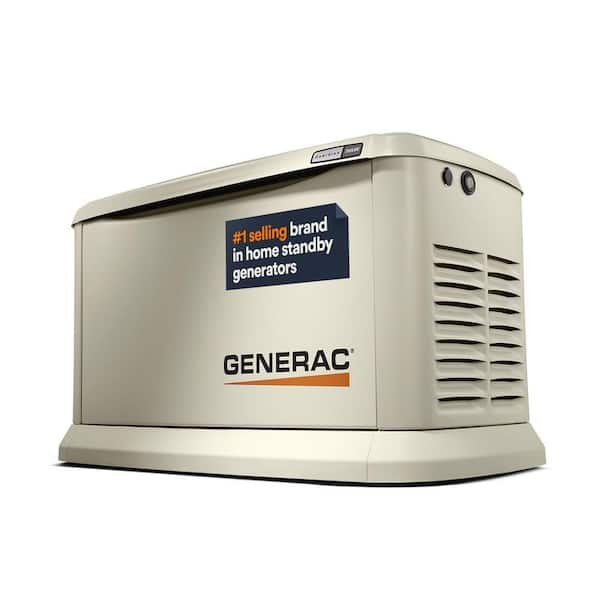
When it comes to dedicated 10kW home standby power, two brands consistently rise to the top for their reliability, features, and widespread availability: Generac and Kohler. These units are designed to automatically activate, providing seamless power to your home's essential circuits.
1. Generac Guardian 10kW (Generator Only)
The Generac Guardian series is a household name for home backup power. This standalone 10kW unit is an excellent choice for those who might already have a transfer switch or prefer to purchase it separately.
- Key Features:
- Clean & Stable Power: Generates 10,000 watts of clean power (<5% harmonic distortion), safe for sensitive electronics.
- G-Force Engine: Powered by Generac's purpose-built G-Force engine, known for durability and performance.
- Quiet-Test Mode: Reduces noise and fuel consumption during weekly self-tests.
- Mobile Link Wi-Fi: Allows remote monitoring of your generator's status from anywhere using a smartphone, tablet, or PC.
- Fast Power Restoration: Delivers power to essential circuits within 20 seconds of an outage.
- Fuel Options: Operates on either natural gas or liquid propane.
- Best For: Smart connectivity, robust durability, and efficient operation. Ideal for homeowners prioritizing remote monitoring and proven reliability.
- Note: This model does not include the transfer switch, which must be purchased separately.
2. Generac Guardian 10kW with 100 Amp Transfer Switch (Bundled Value)
For a complete and simplified installation, this bundle combines the reliable 10kW Generac Guardian generator with a high-capacity automatic transfer switch.
- Key Features:
- Comprehensive Bundle: Includes the 10kW G-Force engine generator and a weather-resistant, aluminum-clad 16-circuit, 100-amp transfer switch.
- Broad Coverage: Suitable for homes up to 3,500 square feet, ensuring power to critical systems.
- Mobile Link Wi-Fi: Same great remote monitoring capability as the standalone unit.
- Smart Circuit Prioritization: Quickly restores power in seconds, intelligently managing and prioritizing essential circuits.
- Quiet Operation: Operates at approximately 66 dBA at 23 feet, comparable to a central air conditioner.
- Best For: Comprehensive coverage and simplified installation. This bundle offers excellent value for homeowners seeking a complete, easy-to-install solution.
3. Kohler 10kW Standby Generator
Kohler generators are renowned for their robust engineering, often using commercial-grade components to deliver exceptional reliability and power quality.
- Key Features:
- Military-Grade Voltage Regulation: Ensures extremely stable power, protecting all your appliances, especially sensitive electronics.
- PowerBoost Technology: A standout feature, allowing the generator to handle large motor starting loads (like a central air conditioner) without dropping power to other running appliances.
- KOHLER 7000 Series V-twin OHV Engine: Provides smooth, long-lasting operation, delivering 9kW on natural gas and a full 10kW on liquid propane.
- Rapid Power Restoration: Restores power to your home in a mere 10 seconds.
- Includes Transfer Switch: Comes with an indoor-rated RXT 100-amp, 12-space transfer switch, suitable for homes under 3,000 square feet.
- Considerations: Lacks built-in Wi-Fi, requiring an optional module for remote monitoring.
- Best For: Absolute reliability, precision engineering, and confidence in handling heavy, fluctuating loads. Ideal for homeowners who prioritize robust performance and quick power restoration above all else.
How to Choose Your Perfect 10kW Home Standby Generator
Selecting the right 10kW home standby generator involves more than just picking a brand. You need to carefully assess your specific needs to ensure your investment provides the power security you expect.
1. Calculate Your Power Needs (Load Calculation)
This is arguably the most critical step. A 10kW generator is powerful, but it's not a magic bullet for every appliance.
- Identify Essentials: Make a list of all the essential appliances and systems you want to run during an outage. Think about heating/cooling, refrigeration, water pump, a few lights, and charging stations.
- Find Running Watts: For each item, locate its running wattage (often on a label or in the owner's manual).
- Factor in Starting (Surge) Watts: Many motor-driven appliances (refrigerators, AC units, well pumps) require a brief burst of extra power to start, known as surge watts, which can be 2-3 times their running watts. Your generator must be able to handle the highest single surge requirement, even if it won't simultaneously surge multiple large appliances.
- Add it Up: Sum the running watts of all simultaneously operating essential items. Then, consider the single largest surge requirement. Your generator's running wattage should cover your total running load, and its surge capacity should handle the largest single surge.
- The 10kW Sweet Spot: For a 1,500-2,500 sq ft home, 10kW is usually enough to cover critical circuits like a furnace, refrigerator, well pump, sump pump, and a handful of lights and electronics. An undersized generator will overload, while an oversized one is an inefficient use of resources.
2. Consider Your Fuel Type
Your choice of fuel impacts convenience, cost, and power output.
- Natural Gas:
- Pros: Highly convenient with an existing natural gas line, providing a continuous, unlimited supply. No need for on-site storage or refueling.
- Cons: Can be susceptible to widespread gas outages during major disasters (though less common than electrical outages). Gas companies may have limits on pipe sizing for larger generators. Power output is often slightly lower (e.g., Kohler 9kW on natural gas vs. 10kW on propane).
- Propane (Liquid Propane - LP):
- Pros: Offers fuel independence, as you store it on-site in tanks. Generally provides a slightly higher power output (e.g., Generac and Kohler 10kW on LP). Propane lines are rarely affected by electrical grid failures.
- Cons: Requires physical tanks that need to be refilled, which can be challenging during widespread outages. More expensive per BTU than natural gas. Tank sizing is crucial for adequate run time.
- Dual-Fuel/Tri-Fuel (Mostly for Portables): While primarily a feature for portable generators like those from DuroMax or Sportsman, offering flexibility with gasoline, propane, or even natural gas, it's less common (or necessary) for dedicated home standby units which are plumbed into one source.
3. Choose Your Transfer Switch: Manual vs. Automatic
The transfer switch is paramount for safety and legal compliance. It prevents "backfeeding" electricity into the grid, which can endanger utility workers, and ensures a smooth transition to generator power.
- Automatic Transfer Switch (ATS):
- Pros: The gold standard for home standby. It automatically detects power outages, starts the generator, transfers the load, and then reverses the process when grid power returns. This is hands-free, fast (seconds), and completely seamless.
- Considerations: Crucial to match the ATS amperage (e.g., 100A for a 10kW system) to your home's electrical service and the number of circuits you want to back up. Generac and Kohler bundles often include appropriate ATS units.
- Manual Transfer Switch (MTS):
- Pros: Less expensive upfront.
- Cons: Requires physical intervention to switch power sources. You must be home and awake to operate it. Not typically used with permanent home standby generators, but common for portable units when backing up select circuits.
4. Evaluate Other Crucial Features
Beyond the basics, these features enhance performance, convenience, and peace of mind.
- Remote Monitoring (Wi-Fi/Cellular): Generac's Mobile Link is a prime example. This feature allows you to check your generator's status, fuel level, maintenance alerts, and test schedule from anywhere via a smartphone or computer. Absolutely invaluable for peace of mind, especially if you travel.
- Quiet Operation: Look for dBA ratings. A unit around 60-70 dBA at 23 feet is considered relatively quiet for a standby generator, comparable to conversation or a central AC unit.
- Self-Testing Modes: Most standby generators perform weekly or bi-weekly tests to ensure readiness. "Quiet-Test" modes (like Generac's) reduce noise and fuel consumption during these checks.
- Strong Warranty: A comprehensive warranty (e.g., 5-year limited) provides confidence in your investment.
- Clean Power Technology: Features like Kohler's military-grade voltage regulation or Generac's True Power Technology ensure power with less than 5% harmonic distortion, safeguarding sensitive electronics like computers and smart home devices.
- Load Management (Smart Circuitry): Some generators can intelligently manage power distribution, temporarily shedding less critical loads to prioritize essential ones when demand is high (e.g., PowerBoost on Kohler, Smart Circuit Prioritization on Generac).
- Enclosure: Look for durable, weather-resistant enclosures (e.g., aluminum) that protect the generator from the elements and often help reduce noise.
Installation & Maintenance: What You Need to Know
A 10kW home standby generator isn't a DIY project. Professional installation is mandatory for safety, compliance with local codes, and to ensure your warranty remains valid.
- Professional Installation: A licensed electrician will connect the generator to your home's electrical panel via the transfer switch. A licensed plumber (or a dual-licensed professional) will connect it to your natural gas line or propane tank. Proper siting (distance from windows, doors, property lines) is also crucial.
- Regular Maintenance: Like any engine, generators require routine servicing: oil changes, filter replacements, battery checks, and spark plug inspections. Most standby generators also run self-tests, and remote monitoring can alert you to maintenance needs. Consistent maintenance ensures your unit is ready when you need it most.
- Fuel Storage (for Propane): Ensure you have adequate propane tank capacity to run your generator for a reasonable duration (e.g., several days) during an extended outage.
Your Power Security Checklist: Before You Buy
Choosing the right 10kW generator is a significant decision that pays off immensely when an outage strikes. Here's a quick checklist to guide your final choice:
- Calculate Your Load: Have a clear, itemized list of what you must power and their running/starting wattages.
- Determine Fuel Preference: Natural gas for convenience, propane for independence and often higher output.
- Insist on an ATS: For home standby, an automatic transfer switch is non-negotiable for safety and convenience.
- Prioritize Features: Do you need remote monitoring? Ultra-quiet operation? Special surge handling?
- Research Brands: Focus on those with a proven track record in the 10kW standby space (Generac, Kohler).
- Budget for Installation: Remember that the generator's price is only part of the total cost.
- Verify Warranty & Support: A strong warranty and accessible customer service are crucial for long-term peace of mind.
- Check Local Codes: Ensure your chosen unit and installation plan comply with all local regulations.
Investing in a 10kW home standby generator is investing in comfort, safety, and security. By carefully considering these factors and leveraging the insights into top brands, you'll be well-equipped to make an informed decision and ensure your home stays powered, no matter what the weather brings.