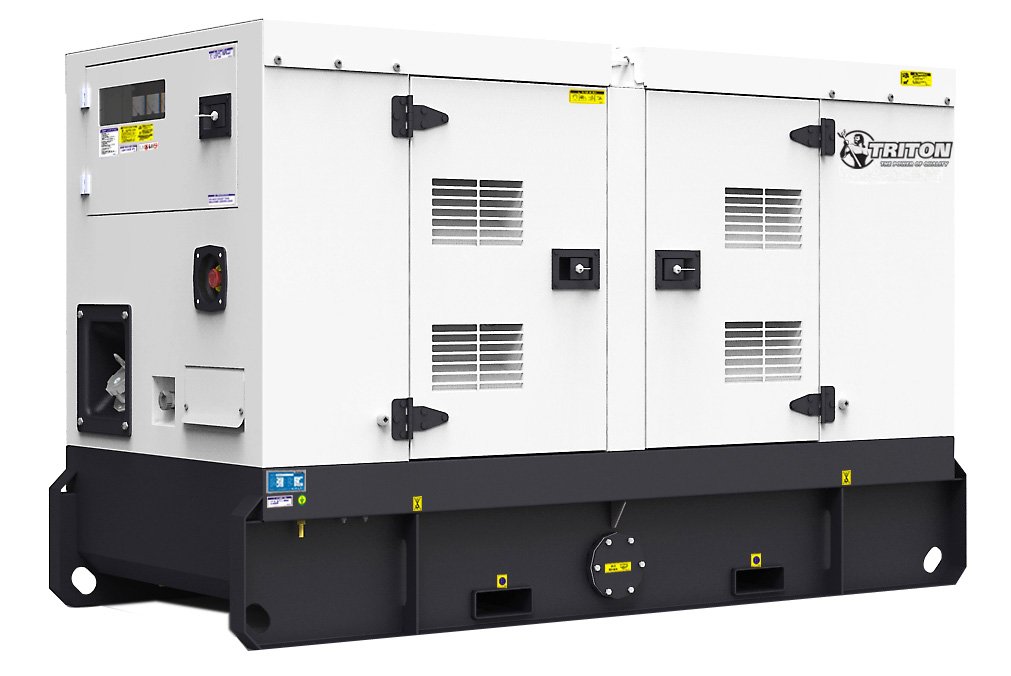
When the grid goes dark or a job site calls for serious juice, knowing the true capabilities of your portable power source is critical. For many homeowners, small business owners, and contractors, a 10kW generator strikes that perfect balance of robust power and manageable size. But what exactly are the practical applications & use cases for 10kW generators? It's more than just a backup; it's a versatile workhorse, capable of powering everything from essential home appliances during an outage to critical tools on a remote worksite.
Forget vague promises. This guide will cut through the noise, detailing precisely what a 10kW generator can handle, how to optimize its performance, and – crucially – how to use it safely and effectively.
At a Glance: What a 10kW Generator Offers
- Versatile Power: Capable of delivering 10,000 watts for residential, small business, and construction needs.
- Home Essentials: Keeps refrigerators, lights, microwaves, and even a smaller AC unit running during power outages.
- Business Continuity: Powers POS systems, computers, and essential refrigeration for small offices and cafes.
- Job Site Reliability: Runs power tools, temporary lighting, and small compressors or welders.
- Critical Planning: Requires careful wattage calculation to avoid overloading and ensure safe operation.
- Key Considerations: Factor in surge power, fuel type, maintenance, and strict safety protocols.
The Heart of the Matter: Understanding 10kW Power
At its core, a 10kW generator produces 10,000 watts of electrical power. To put that in perspective, this isn't just enough to charge your phone; it's enough to run multiple significant appliances simultaneously. Think of it as a small, mobile power plant, designed to keep essential operations humming when utility power isn't available or practical.
The trick, of course, isn't just having the power, but knowing how to allocate it. Every appliance and tool has a wattage rating – some for continuous running, others with a higher "surge" wattage needed to kick-start their motors. Understanding these numbers is the bedrock of maximizing your 10kW generator's utility without risking damage to the generator or your valuable equipment.
Powering Your Home: Essential Comfort & Preparedness
For homeowners, a 10kW generator is often the sweet spot between an emergency light source and a full-home backup. It's designed to keep your family comfortable and safe during unexpected power outages, providing enough electricity for more than just the bare minimum.
Keeping Essential Appliances Running
During an outage, your primary concern is often food preservation and basic living. A 10kW unit easily handles these:
- Refrigeration: Your refrigerator and freezer (typically 600-800 watts each) are non-negotiable. A 10kW generator can power both without breaking a sweat.
- Lighting: Essential for safety and comfort. Even widespread lighting (500 watts total) barely taps into your generator's capacity, especially with energy-efficient LED bulbs.
- Cooking: A microwave oven (1,000-1,500 watts) allows for hot meals, bypassing the need for an electric stove or oven that would draw too much power.
- Laundry: A washing machine (500-1,000 watts) can keep clothes clean, although you'd want to run it separately from other heavy-draw appliances.
Addressing Heating & Cooling Needs
While you won't be running central air conditioning on full blast, a 10kW generator can support moderate climate control:
- AC Units: Small-to-medium window or portable AC units (2,000-5,000 watts) can be powered, often one or two simultaneously, depending on their size. Remember to account for their higher surge wattage during startup.
- Furnace Fans: If you have a natural gas or propane furnace, a 10kW generator can typically power the blower fan and control systems, keeping your home warm without the massive electrical draw of an electric resistance heater.
Managing Power During an Outage
Imagine a winter storm knocks out power. With a 10kW generator, you could simultaneously run your refrigerator, a few lights, charge phones, watch TV, and even power a smaller space heater or your furnace fan. This level of sustained comfort makes an outage far more bearable. The key is prioritizing and managing loads. If you need to use the microwave, temporarily switch off a non-essential item like the TV to ensure you stay within your 10,000-watt limit.
Keeping Small Businesses Running Smoothly
For many small businesses, losing power means losing revenue, data, and customer trust. A 10kW generator provides a vital lifeline, ensuring continuity for critical operations.
Retail & Office Operations
Even a brief power interruption can cripple daily tasks. A 10kW generator ensures:
- Point-of-Sale (POS) Systems: Essential for transactions and inventory management.
- Computers & Peripherals: Powers workstations, printers, and internet modems, keeping communication lines open and data flowing.
- Lighting: Maintains a welcoming and safe environment for customers and employees.
- Security Systems: Keeps surveillance and alarm systems active, protecting your assets.
A typical small office with several computers, a printer, and standard lighting might only draw 1,500-2,000 watts, leaving plenty of headroom for other needs.
Cafes & Restaurants
Food service businesses have unique, power-intensive needs. A 10kW generator can support:
- Refrigeration: Crucial for food safety. Multiple refrigerators and freezers can be kept operational.
- Coffee Machines & Grinders: Many cafes rely on these high-wattage appliances (up to 2,000-3,000 watts for a commercial espresso machine) to serve customers.
- Microwave Ovens & Toasters: For quick food prep.
- Lighting & POS: Maintaining ambiance and transaction capabilities.
A cafe or small restaurant might require 4,000-6,000 watts to run these essentials, making a 10kW unit an excellent fit.
Ensuring Business Continuity
From processing payments to keeping perishables safe, a 10kW generator minimizes downtime and financial losses. It means employees can continue working, and customers can continue to be served, even when the rest of the neighborhood is dark. This capacity to maintain critical business functions is what makes a 10kW generator an indispensable investment for many entrepreneurs.
On the Job Site: Powering Tools & Equipment
Construction sites, workshops, and remote work locations often lack reliable grid power. This is where a 10kW generator truly shines, providing robust power for a variety of demanding tools and equipment.
Powering Construction Tools
Most standard power tools fall well within a 10kW generator's capacity, allowing multiple tools to be used simultaneously or one heavy-duty tool to run consistently:
- Drills & Saws: Circular saws, miter saws, reciprocating saws, and hammer drills (500-1,500 watts each) are easily powered.
- Sanders & Grinders: Essential for finishing work and material preparation.
- Compressors: Smaller air compressors for nail guns or other pneumatic tools can be run. Remember to factor in their higher surge wattage.
- Temporary Lighting: Halogen work lights (e.g., 300 watts per light) are critical for visibility and safety, especially during darker hours.
Running Small Industrial Equipment
Beyond handheld tools, a 10kW generator can also handle some heavier equipment:
- Welders: Certain smaller, inverter-style welders can operate on a 10kW generator, allowing for essential repairs or fabrication on-site. Always check the welder's specific power requirements.
- Water Pumps: For drainage or transferring liquids, many utility pumps can be powered.
This versatility makes the 10kW generator a go-to power solution for everything from home renovations to landscaping projects and remote construction. You'll find a more in-depth look at generator capabilities in our comprehensive 10 kW generator guide.
Calculating Your Power Needs: A Crucial First Step
Understanding your specific power requirements is the most critical step to getting the most out of your 10kW generator and preventing costly damage. Overloading a generator is a common pitfall with serious consequences.
Understanding Running vs. Starting Watts
Every appliance or tool has a "running wattage" (the power it needs to operate continuously) and many, especially those with motors, also have a "starting wattage" or "surge wattage." This surge can be 2 to 3 times higher than the running wattage, lasting only a few seconds as the motor kicks in.
- Example: A refrigerator might run at 700 watts but require 2,000 watts to start its compressor. An AC unit might run at 3,000 watts but surge to 9,000 watts.
When calculating, you must account for the highest combined starting wattage if multiple high-surge items are going to start at the same time, or more commonly, ensure your total running wattage plus the single largest starting wattage does not exceed 10,000 watts.
The 80% Rule of Thumb
While a 10kW generator can produce 10,000 watts, it's generally best practice to aim for an 80% load capacity during continuous operation. This means running your generator at roughly 8,000 watts or less. This leaves a buffer for minor fluctuations, extends the life of your generator, and provides a safety margin against unexpected surges.
A Simple Calculation Worksheet
Here’s how you might list and calculate your needs:
| Appliance/Tool | Running Watts | Starting Watts (if applicable) | Priority (1-3) |
|---|---|---|---|
| Refrigerator | 700 | 2,100 | 1 |
| Freezer | 800 | 2,400 | 1 |
| Lights (total) | 500 | - | 1 |
| Microwave Oven | 1,200 | - | 2 |
| Window AC (small) | 2,500 | 7,500 | 2 |
| Computer/Monitor | 300 | - | 2 |
| Electric Drill | 750 | 1,500 | 3 |
| Total Running | (Sum all) | ||
| Total Surge (Worst Case) | (Sum running + single highest starting) | ||
| By listing your appliances and their wattages, you can easily see what combination your 10kW generator can handle. Always add up the running watts of everything you anticipate using simultaneously, then add the largest single starting wattage to that total to ensure your generator can handle the initial load. |
Choosing the Right 10kW Generator for You
Not all 10kW generators are created equal. The right choice depends on your specific needs, budget, and intended use.
Fuel Type Face-Off: Gasoline vs. Diesel
The most common decision point for a portable 10kW generator is its fuel type:
- Gasoline Generators:
- Pros: Generally cheaper to purchase, lighter, and more readily available in various sizes. Gasoline is easy to find.
- Cons: Less fuel-efficient (meaning higher running costs over time), shorter engine lifespan compared to diesel, and gasoline has a shorter shelf life, requiring fuel stabilizers for storage. They can also be noisier.
- Diesel Generators:
- Pros: Significantly more fuel-efficient, longer engine life, more durable, and diesel fuel stores better than gasoline. Often preferred for continuous, heavy-duty use.
- Cons: Higher upfront cost, typically heavier and larger, and diesel engines can be noisier. Finding diesel fuel can sometimes be less convenient than gasoline.
If you plan for infrequent, short-term use, gasoline might be sufficient. For consistent, heavy use, especially in a business or construction setting, a diesel unit offers superior longevity and economy.
Portability vs. Standby (Brief Mention)
While this article focuses on portable 10kW generators, it's worth noting that "standby" generators exist. Standby units are permanently installed, automatically switch on, and can be much larger. A 10kW is usually considered a portable unit, even if it's a larger wheeled model, meaning it requires manual setup and connection.
Key Features to Look For
Beyond fuel type, consider these features:
- Electric Start: A push-button start is far more convenient than a pull-cord, especially for larger units.
- Multiple Outlets: Ensure it has the right outlets for your needs (e.g., 120V, 240V, various amperage).
- Fuel Gauge: Essential for monitoring runtime.
- Low-Oil Shutoff: Protects the engine from damage.
- Wheels & Handle Kit: Crucial for portability, as 10kW units can be very heavy.
- Noise Level: Measured in decibels (dB), a lower number means a quieter operation, which is a significant factor for residential use.
Beyond the Basics: Maximizing Your Generator's Potential
Owning a 10kW generator is one thing; using it efficiently and effectively is another. A few best practices can significantly extend its life and reduce operating costs.
Smart Power Management
You have 10,000 watts at your disposal, but it's not a limitless supply.
- Prioritize: Decide what's truly essential and what can wait. For home use, refrigeration and heat/AC are usually top priority. For business, POS and critical IT.
- Stagger Startup: Avoid starting multiple high-surge appliances simultaneously. Turn on your refrigerator, let it run for a few minutes, then turn on the AC, and so on.
- Unplug Unnecessary Devices: Small phantom loads add up. Unplug chargers, lamps, or electronics that aren't actively in use.
- Energy-Efficient Appliances: If upgrading, choose appliances with Energy Star ratings. LED lighting, for example, uses a fraction of the power of incandescent bulbs.
The Non-Negotiable: Regular Maintenance
Just like your car, a generator needs consistent care to perform reliably.
- Oil Changes: Follow the manufacturer's recommendations, usually every 50-100 hours of operation.
- Air Filter Replacement: A clean air filter is vital for engine performance and fuel efficiency.
- Spark Plug Checks: Ensure proper ignition.
- Fuel System Checks: Inspect fuel lines and filters, especially if the generator has been stored. Old or contaminated fuel is a common cause of starting issues.
- Battery Maintenance: If it has an electric start, keep the battery charged.
Regular maintenance not only ensures your generator starts when you need it most but also maximizes its fuel efficiency and extends its operational lifespan.
Fuel Efficiency Strategies
Beyond maintenance, how you operate can impact fuel consumption:
- Appropriate Load: Don't run the generator at minimal load for extended periods if you can avoid it, nor constantly at maximum capacity. Aim for that 50-80% sweet spot.
- Proper Storage: Store fuel in approved containers in a cool, dry place, away from ignition sources. Use fuel stabilizers for gasoline if storing for more than a month.
- Timely Refueling: Don't let the tank run completely dry during operation, as this can draw sediment into the fuel lines.
Safety First: Operating Your Generator Responsibly
This cannot be stressed enough: generators produce carbon monoxide, a colorless, odorless, and deadly gas. They also handle powerful electricity. Safety must always be your top priority.
The Carbon Monoxide Threat
- Never Indoors: Absolutely never operate a generator inside a home, garage, basement, crawl space, or any partially enclosed area. Even with open doors and windows, carbon monoxide can accumulate to lethal levels.
- Sufficient Distance: Place the generator at least 20 feet (6 meters) from your home, with the exhaust pointed away from windows, doors, and vents.
- Carbon Monoxide Detectors: Install battery-operated or battery-backup CO detectors in your home, especially near sleeping areas, and check them regularly.
Preventing Electrical Hazards
- Dry Conditions: Never operate a generator in rain, snow, or wet conditions. Water and electricity are a deadly combination.
- Proper Grounding: Ensure your generator is properly grounded according to the manufacturer's instructions.
- Transfer Switch: For home backup, connect your generator to your home's electrical system via a professionally installed transfer switch. This prevents "back-feeding" electricity onto the utility lines, which can injure utility workers. Running extension cords directly into your home should only be done for individual appliances, with heavy-duty, outdoor-rated cords.
- Inspect Cords: Always use heavy-duty extension cords rated for outdoor use and sufficient gauge for the power load. Inspect them for damage before each use.
Proper Placement and Ventilation
- Level Surface: Always operate the generator on a flat, level surface.
- Clearance: Ensure there is ample space around the generator for air circulation to prevent overheating. Keep flammable materials far away.
- Security: If operating in a public or remote area, secure the generator to prevent theft.
Ignoring these safety guidelines can lead to tragic consequences.
Common Questions About 10kW Generators
Let's address some frequent queries that arise when considering a 10kW generator.
Can a 10kW generator power an entire house?
It can power a medium-sized home's essentials and some comforts during an outage, but typically not an entire house with all appliances running simultaneously. Large appliances like electric ovens, electric water heaters, or multiple large central AC units often exceed its capacity. It's about careful management and prioritizing loads.
What happens if I overload my 10kW generator?
Overloading can lead to several problems: the generator's circuit breaker will likely trip (a protective measure), it can cause the generator's engine to stall, and prolonged or repeated overloading can lead to motor burnout, permanent damage to the generator, or even damage to the connected appliances due to unstable power output.
How long can a 10kW generator run continuously?
Most portable 10kW generators are designed for continuous operation for 8-12 hours on a full tank, depending on the load and fuel type. However, they are not meant to run 24/7 indefinitely without breaks. Regular breaks allow the engine to cool down and allow for refueling and maintenance checks. Always refer to your specific generator's manual for recommended run times and maintenance schedules.
Do I need a transfer switch?
If you intend to power circuits directly within your home's electrical panel (e.g., lights, outlets, specific appliances hardwired into the house), then yes, a professionally installed transfer switch is legally required and essential for safety. It safely isolates your home from the utility grid, preventing dangerous back-feeding. If you're only using extension cords for individual appliances, a transfer switch isn't necessary but limits your powering options.
Empowering Your Decisions: What's Next?
Understanding the practical applications & use cases for 10kW generators is the first step toward smart power independence. Whether you're safeguarding your home against outages, ensuring business continuity, or powering a remote job site, a 10kW generator offers a compelling blend of power and portability.
Take the time to assess your specific power needs, calculate wattages accurately, and invest in the right generator type and features for your situation. Most importantly, commit to understanding and practicing safe operation and diligent maintenance. With these considerations in mind, your 10kW generator will serve as a reliable and invaluable asset for years to come, ready to deliver power whenever and wherever you need it most.