When the lights go out, your 10kW generator stands ready, a powerful fortress against the dark. But a generator alone, without the right supporting cast, is like a highly skilled chef without their essential tools. To truly maximize your backup power—ensuring reliability, safety, and longevity when you need it most—you need the right Essential Accessories for 10kW Generators. These aren't just add-ons; they're the vital components that transform a powerful machine into a seamlessly integrated, dependable home or job site power solution.
Let's dive into the accessories that will make your 10kW generator a true hero during an outage.
At a Glance: Your Generator's Essential Toolkit
- Maintenance Kits: Keep your generator running smoothly for years with regular servicing.
- Heavy-Duty Generator Cords: Safely connect your generator to your home or appliances, preventing hazards.
- Generator Covers: Protect your investment from the elements, whether running or stored.
- Wheel Kits: Easily move your portable generator where it needs to be.
- RV Outlet Adapters: Expand your generator's versatility for RVs and other high-amperage needs.
- Transfer Switches: Safely connect your generator to your home's electrical panel.
- Cold Weather Kits: Ensure reliable starts and operation in freezing temperatures.
- Monitoring Tools: Track performance and maintenance needs with hour meters and power monitors.
- Know What to Avoid: Steer clear of unapproved modifications that can void warranties or create safety risks.
Why Your 10kW Generator Needs More Than Just Fuel
A 10kW generator is a significant investment in peace of mind. It's capable of powering essential circuits, large appliances, or even a small home during an outage. However, its true potential is unlocked, and its lifespan extended, by compatible accessories. These additions enhance functionality, convenience, and safety, turning your robust power source into a truly optimized backup system. Think of them as the supporting cast that ensures your generator's performance is always a blockbuster.
The Absolute Must-Haves: Core Accessories for Every 10kW Owner
These are the accessories that move your generator from "just a machine" to a "ready-for-anything" power solution. They address fundamental needs for operation, safety, and basic care.
Maintenance Kits: The Heartbeat of Longevity
Just like your car, your generator needs regular TLC to perform its best and last for years. A maintenance kit is your generator's spa day in a box. These kits typically include specialized care items like air filters, oil filters, and spark plugs, tailored for specific generator sizes (and a 10kW unit will have its own specific kit). Adhering to the manufacturer's service schedule, usually outlined in your generator's manual, is paramount. This simple proactive step prevents costly repairs down the line and ensures your generator is ready to fire up when called upon. Brands like Generac and Honeywell offer comprehensive kits designed to promote longevity and efficiency, keeping your engine humming.
Heavy-Duty Generator Cords: Safe Power Delivery
You wouldn't run a marathon in flip-flops, and you shouldn't connect your powerful 10kW generator with just any extension cord. A dedicated generator cord is a distinct, heavy-duty extension cord specifically engineered for the high power output of generators. These aren't just about convenience; they're critical for safety, preventing fire hazards and electrocutions that can arise from using undersized or inappropriate cords.
For a 10kW generator, you'll typically be looking for 10-gauge cords or cables designed to handle up to 50 amps, ensuring robust power delivery for home applications. Key considerations include:
- Gauge: Aim for 10- to 12-gauge, as lower numbers mean thicker wire, capable of carrying more current without overheating.
- Length: The cord needs to be long enough to keep your generator a safe distance from your home – at least 20 feet is the recommended minimum to mitigate carbon monoxide risks. Many users opt for lengths up to 100 feet.
- Connectors: Ensure the plugs and receptacles match your generator's output and your transfer switch or inlet box.
These specialized cords can range from $50 to $200, a small price for safe and reliable power.
Reliable Generator Covers: Shielding Your Investment
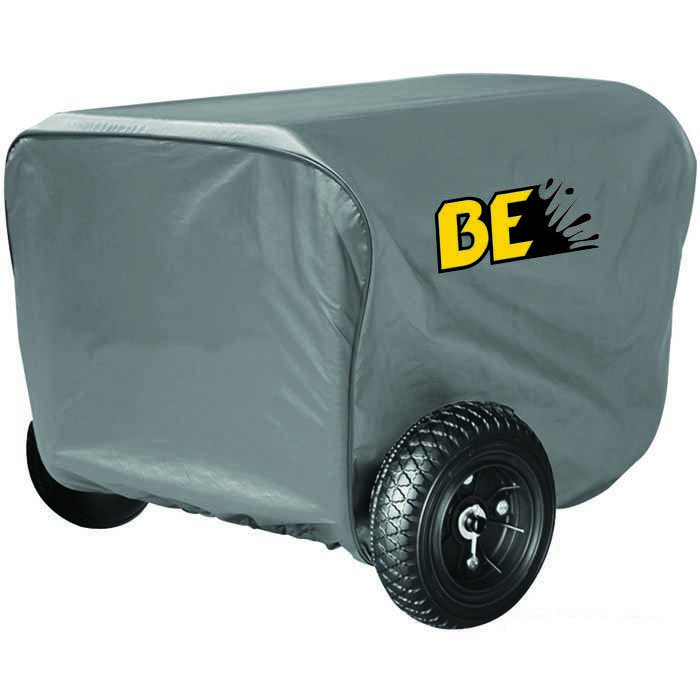
Whether your generator is stored in the garage or standing sentinel outside, it faces threats from the environment. A generator cover is your first line of defense, protecting your valuable equipment from UV damage, rain, dirt, birds, and tree debris. This protection significantly enhances its durability and lifespan. Beyond just weatherproofing, a cover can also add a subtle layer of security against tampering, making your generator less of an obvious target.
You'll encounter two main types:
- Storage Covers: These are lighter-duty, costing around $10-30, and are primarily designed for dust protection when the generator is idle.
- Storm/Running Covers: For truly robust protection and the ability to operate your generator in inclement weather, you'll want a heavy-duty, water-resistant or waterproof cover. These often feature an open design to allow for ventilation and exhaust while running. Expect to pay $150-200 for models like those from Champion Power Equipment, which are specifically designed for operation during bad weather.
Wheel Kits & Mobility Solutions: Moving Power with Ease
A 10kW generator, especially a portable model, is a heavy piece of equipment. Imagine trying to muscle a 200+ pound machine across your yard when an emergency strikes! This is where a wheel kit becomes indispensable. Essential for any portable generator, these kits allow for effortless transportation and mobility. They typically include attachable wheels (usually two or four, depending on the generator design) and a sturdy, often folding, handle.
While many larger portable generators (over 110 lbs) may include a wheel kit as standard, you can also purchase them separately for $30-150. Examples include Champion Generator Wheel Kits (though often for lower wattage units like 2800-4750W, the concept applies) or EZV Wheel Kits. For very heavy or stationary units that might need repositioning by machinery, lifting kits and hanger kits provide enhanced vertical mobility. These typically involve a steel crossbar that bolts atop the generator's frame, allowing for crane transport, and usually cost a modest $20-50.
RV Outlet Adapters: Versatility for the Road and Home
If you own an RV or need to connect various appliances with different power requirements, an RV outlet adapter is a small but mighty accessory. It offers incredible flexibility for connecting your generator to different power sources or diverse loads. For instance, you can connect a 30-amp RV cord to a 50-amp generator outlet, or vice versa, ensuring compatibility for specific amperage rigs. This is crucial for travelers who encounter varied power connections, and it's equally useful for adapting your generator's output to standard home outlets when needed. Brands like SnowyFox offer ergonomic 18-inch adapters designed for ease of use.
Bonding Plugs: Addressing Nuisance Trips for Advanced Users
For advanced users, especially those dealing with a generator's "floating neutral," a bonding plug (sometimes called an Edison plug) can be a problem-solver. Many portable generators come with a floating neutral, meaning the neutral wire is not connected to the generator's frame (ground). While safe for typical applications, some sophisticated electrical protection devices, like those found in RVs or certain home transfer switch setups, can misinterpret this floating neutral as an "open ground," leading to nuisance trips or preventing power delivery. A bonding plug creates a neutral-to-ground bond within the generator's output, solving these compatibility issues. These are highly specific accessories for certain scenarios and typically cost under $20.
Beyond the Basics: Enhancing Convenience and Performance
Once you've got the essentials covered, these accessories move into the realm of convenience, automation, and specialized functionality, truly elevating your 10kW generator experience.
Parallel Kits: Doubling Down on Power
What if your power needs grow, but you don't want to buy a single, bulky, even larger generator? A parallel kit is your answer. This clever accessory allows you to link two compatible inverter generators, or even smaller generators with different wattages, to work harmoniously in series or parallel configurations. The result? You get the combined output of both units, meeting higher power demands without the commitment to one massive machine. These kits are especially popular with inverter generators for their quick-connect interfaces and typically cost $50-100, offering a scalable and flexible power solution.
Cold Weather Kits: Ready for the Deep Freeze
When winter bites, you don't want your generator to freeze up. A cold weather kit is crucial for ensuring smooth and reliable operation in freezing temperatures. These kits are designed to prevent the common issues that plague engines in extreme cold. They typically include:
- Engine Block Heater: Keeps the engine oil warm for easier starting.
- Battery Warmer: Maintains optimal battery temperature, preventing power loss during cranking.
- Heating Coils for Breather Tubes: Prevents condensation from freezing and causing oil leaks or pressure buildup.
Examples like Generac Cold Weather A/C HSB Kits and Midwest Electric & Generator kits ensure your generator is ready when the mercury drops, costing between $100-300. This is a vital investment for anyone living in a climate prone to severe winters.
Transfer Switches: Seamless Power Transition
A transfer switch is arguably the most critical home equipment piece when integrating a generator into your household's electrical system. It provides a safe and legal way to connect your generator to your home's circuits, allowing you to switch between the electrical grid and generator power with a flip of a lever or automatically. The primary purpose is to prevent "backfeeding"—sending electricity from your generator back into the utility grid, which can fatally injure utility workers or damage grid equipment.
- Manual Transfer Switches (MTS): These require user intervention to physically switch the power source. They are simpler, more affordable (a basic 30-amp Reliance Controls switch costs several hundred dollars), and perfectly suitable for most portable 10kW generators.
- Automatic Transfer Switches (ATS): These detect a power outage and automatically switch your home's load to the generator. While truly seamless, most portable generators still require manual startup, limiting the full "automation" benefit for portable units. However, some advanced portable models, like certain Genmax and Ford models, do support ATS auto-start functionality.
Installing a transfer switch is a job for a qualified electrician to ensure safety and compliance with local electrical codes.
Power Management Modules & Load-Shedding: Smart Energy Distribution
For those seeking more sophisticated control over their backup power, Power Management Modules (PMMs) and Load-Shedding Modules offer intelligent solutions.
- Power Management Module Starter Kit: Designed for seamless integration with systems like Generac’s Digital Power Management System, these kits typically work with RTSR and RTSY transfer switches. They include components like a 24VAC transformer and a 50 amp, 24VAC actuated PMM. These modules monitor individual circuits and automatically manage power distribution during outages, ensuring your generator isn't overloaded and essential circuits remain powered. They are often available at retailers like Lowe’s.
- Load-Shedding Module: This accessory takes smart power management a step further. During an outage, if the electrical load exceeds your generator's rated output, the load-shedding module automatically cuts off electricity to pre-selected non-essential areas (e.g., a secondary water heater or air conditioner). This prevents overload, optimizes generator performance, and can even allow you to size a slightly smaller generator for your needs, knowing peak demands will be intelligently managed.
Fuel System Essentials: Lines, Caps, and Conversions
Your generator's fuel system needs attention to ensure efficient and safe operation.
- Fuel Lines: Crucial for efficient and safe fuel reception for both portable and standby units. They should be durable and leak-proof, often made with stainless steel. Generac, for instance, offers fireproof options for larger 15kW and 20kW generators. For those extending runtimes or using alternative fuels, ATIMA provides options for extended-run dual-fuel systems.
- Fuel Cap: A simple yet vital component, a secure fuel cap protects your fuel supply from tampering, siphoning, and environmental contamination, ensuring secure and uninterrupted power. They are readily available at retailers like Lowe’s and Generac parts stores.
- Conversion Kit: To maximize generator usability and potentially cut down on fuel hassles, a conversion kit allows you to switch between different fuel options, typically natural gas or propane. This can eliminate the need for gasoline refueling, offering a more convenient and often more cost-effective solution, especially for longer outages. Some 240-volt conversion kit generators are available at Lowes.com, expanding your fuel flexibility.
Batteries: The Unsung Hero of Easy Starts
For electric start generators, a reliable, fully charged battery is the unsung hero that ensures easy startup and smooth operation. Without a robust battery, your generator might just sit there silently during an emergency. Batteries Plus often offers specific high-quality batteries designed to maximize the performance and usability of various generator models, ensuring that vital spark always happens.
Base Wraps & Spill Boxes: Foundation and Environmental Protection
Thoughtful accessories can protect both your generator and the environment around it.
- Base Wrap: Often included in comprehensive maintenance kits, a base wrap (like the QwikPad® base wrap) enhances generator functionality and offers protection from the elements at its foundation. These are typically lightweight, easy to install, and come with steel mounting hardware, securing your generator to its pad.
- Spill Box: For larger, more permanent installations, a spill box is an invaluable accessory. This weatherproof, lockable enclosure, often made of durable powder-painted steel and pipe, is designed to prevent fuel spills, capture overfills, and minimize environmental impact. It can also help maintain an ideal battery temperature for quick startup. You can find these from specialized suppliers like NationwideGenerators.com.
Transport Carts & Lifting Kits: Serious Mobility
While wheel kits handle most portable scenarios, sometimes you need even more robust transport. A dedicated transport cart, available at places like Lowe’s, makes transporting various generator types (even some standby models if they need repositioning) safe and easy. These carts are designed to withstand the weight and dimensions of heavy generators. For truly immovable units that might require vertical transport, lifting kits (as mentioned earlier) are crucial, typically providing a sturdy steel crossbar for crane attachment.
Keeping Tabs: Essential Monitoring Tools
You can't manage what you don't measure. Monitoring accessories give you crucial insights into your generator's performance and maintenance needs, preventing surprises during an outage.
Power Monitors & Clamp Meters: Your Generator's Dashboard
Understanding your generator's output and how much power your appliances are drawing is fundamental.
- Power Monitors: These valuable accessories track your generator's performance and status, often including fuel level, runtime, and maintenance reminders. Many even offer remote insights and control via a mobile app, such as PowerTechCS. This allows you to check on your generator without needing to be right next to it.
- Clamp Meters (Voltmeters, Current Testers): These are essential multimeters for safely measuring output at your generator's sockets and the actual consumption of your appliances. They are invaluable for determining the starting and running watts of your various loads, helping you accurately size your generator or manage what you run. If your generator lacks a built-in data center, a clamp meter is highly recommended and costs around $50.
Vibration-Activated Hour Meters: Timely Maintenance, Every Time
Maintenance is key to longevity, but how do you know when it's due? A vibration-activated hour meter tracks your engine's runtime, providing a precise record for consistent maintenance scheduling (think oil and filter changes). This is especially essential for generators that don't come with built-in runtime tracking. For around $15, this small device provides invaluable data to ensure you're performing maintenance at the right intervals, maximizing your generator's lifespan.
What to Avoid: Accessories That Can Harm More Than Help
Just as important as knowing what to buy is knowing what to skip. Some accessories, while seemingly helpful, can compromise safety, void warranties, or damage your generator.
The Perils of Unapproved Remote Start Kits
For generators with an electric start but no built-in remote feature, you might be tempted by a remote start kit. However, these are generally only recommended for advanced users and come with significant caveats. They can be expensive ($200-500) and, critically, may void your generator's warranty unless they are explicitly sanctioned and installed by the manufacturer or an authorized dealer. Proceed with extreme caution here.
Third-Party Fuel Conversion Kits: A Risky Gamble
While manufacturer-approved conversion kits offer flexibility, third-party fuel conversion kits are a different story. These kits allow running generators on fuels other than the manufacturer's specified type (e.g., converting a gasoline generator to run on propane or natural gas). The problem? They are not manufacturer-approved. This often violates warranties, can lead to decreased performance, might not comply with emission regulations, and can cause long-term engine damage due to improper fuel-air mixtures. Stick to manufacturer-approved kits only.
Silencers and Exhaust Modifications: Don't Silence Your Warranty
The noise from a generator can be a nuisance, leading some to consider silencers or mufflers. However, these third-party accessories almost always require exhaust modification. If done incorrectly, this can restrict or block exhaust flow, leading to engine damage. Crucially, any unauthorized modification to the exhaust system will almost certainly void your generator's warranty. A better, safer alternative is to invest in a quieter inverter generator from the start or explore soundproof generator enclosures designed for safe operation.
Exhaust Extensions: A Deadly Decision
This practice is an absolute, unqualified "no." Exhaust extensions are dangerously marketed as a way to run generators indoors by venting the exhaust outside. Let us be unequivocal: Generators must always be run outdoors in a well-ventilated area, at least 20 feet from any building openings. Running a generator indoors, even with an exhaust extension, poses an extremely high risk of carbon monoxide poisoning, which is odorless, colorless, and deadly. It also presents a severe fire hazard. Never, ever run a generator indoors.
Altitude Kits: Calibrating with Caution
If you live at high elevations (above 2000 feet), your generator's carburetor may need adjustment for the thinner air. Altitude kits are sets of carburetor jets designed to modify fuel flow. While they cost only a few dollars, modifying the carburetor can potentially void your warranty. Furthermore, improper use or installation can damage the engine. Consult your generator's manual and manufacturer guidelines for altitude adjustments, or have a certified technician perform the modification if absolutely necessary.
Making Smart Choices: A Buyer's Checklist
When selecting accessories for your 10kW generator, keep these principles in mind:
- Compatibility is King: Always ensure the accessory is specifically designed for your generator's make, model, and wattage. A general-purpose accessory might not fit or function correctly.
- Quality Over Cost: While saving money is appealing, cheap, unbranded accessories can be unreliable, less safe, and may not last. Invest in reputable brands for critical components like cords, covers, and maintenance parts.
- Read the Manual: Your generator's owner's manual is a treasure trove of information regarding recommended accessories, installation procedures, and specific maintenance schedules. Adhere to it.
- Safety First, Always: Prioritize accessories that enhance safety, such as heavy-duty cords and transfer switches. Never compromise on safety for convenience or cost.
- Consider Your Use Case: Are you primarily using it for home backup, RVing, or a job site? Your specific needs will dictate which "convenience and advanced" accessories are most valuable to you. For a deeper dive into generator selection itself, you might find our comprehensive 10 kW generator guide a useful resource.
Your 10kW Generator: A Fully Equipped Powerhouse
Your 10kW generator is a powerful asset, but it's the right accessories that truly transform it into a reliable, efficient, and safe backup power solution. From the fundamental maintenance kits that extend its life to the smart transfer switches that seamlessly integrate it into your home, each accessory plays a vital role. By making informed choices and investing in quality, you ensure that when the grid falters, your generator—and all its essential tools—will be ready to deliver unwavering power and peace of mind. Equip yourself wisely, and stand confident against any power disruption.