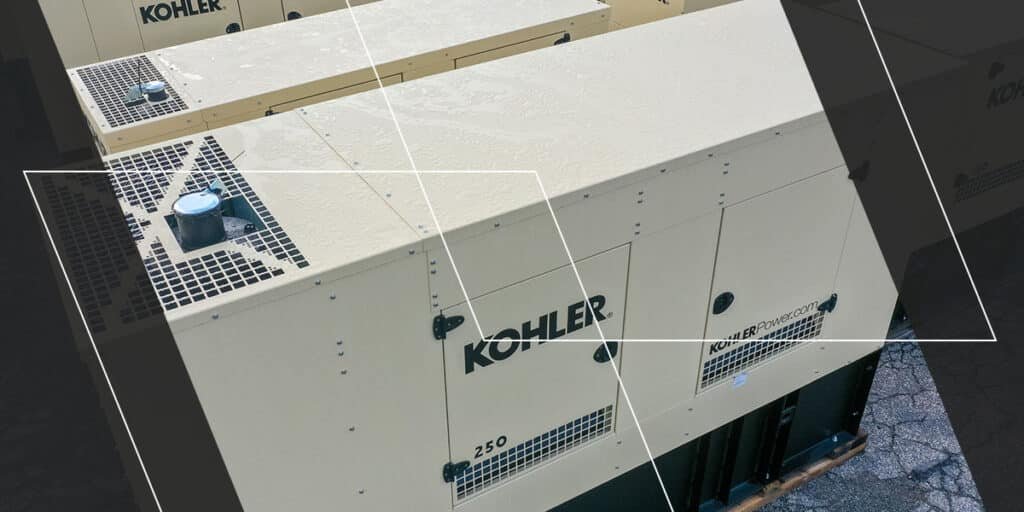
Navigating the world of generators can feel like deciphering a complex electrical diagram, especially when you're zeroing in on a specific power output like 10kW. But choosing the right 10kW generator, understanding its types, fuel options, and how to size it correctly, is less about technical jargon and more about informed decision-making for your peace of mind. Think of this as your essential guide, cutting through the noise to help you power up with confidence.
Whether you're safeguarding your home against outages, powering a demanding workshop, or ensuring critical systems stay online, a 10-kilowatt (kW) generator strikes a popular balance between robust power and practical fuel efficiency for many homeowners and small businesses.
At a Glance: Your 10kW Generator Essentials
- 10kW isn't just a number: It’s a sweet spot for many homes, capable of handling essential appliances, some HVAC, or a demanding workshop.
- Running vs. Surge Watts: Always account for both. Motorized appliances demand a surge (spike) of power to start, far more than their continuous running needs.
- Sizing is Key: List all intended appliances, sum their running watts, and add at least 20% for surge capacity. For future-proofing, consider the "20/20/20 rule."
- Fuel Matters: Gasoline offers peak efficiency but has storage limits. Propane is cleaner and stores longer but is about 10% less efficient. Natural gas offers continuous supply but is 20% less efficient than gasoline and requires professional plumbing.
- Efficiency Loss: Dual-fuel and tri-fuel generators are versatile but lose power when not running on gasoline. A 10kW gasoline unit might drop to 7.3kW on propane or 6kW on natural gas.
- Installation is Pro-Level: Never DIY connect a generator to your home's electrical panel. A licensed electrician and a proper transfer switch are non-negotiable for safety and compliance.
- Portable vs. Standby: Choose portable for occasional, flexible power or standby for automatic, whole-home protection during outages.
Why 10kW? Understanding Your Power Sweet Spot
A 10-kilowatt (10,000-watt) generator is often considered the "just right" option for many medium to larger homes, striking a balance between adequate power supply and manageable fuel consumption. It can comfortably power your refrigerator, freezer, well pump, lights, furnace fan, and even a small central air conditioner or essential workshop tools. This size typically offers significantly more versatility than smaller units without the higher cost and fuel demands of larger, whole-house systems.
But the "right" generator is less about the sticker price and more about its ability to meet your specific power needs without faltering. The real question isn't just "Can a 10kW generator power my house?" but rather, "Can this specific 10kW generator power my specific combination of appliances consistently and safely?"
The First Rule of Generator Club: Sizing It Right (Running vs. Surge Watts)
Choosing a generator isn't like picking out a new toaster; you can’t just eyeball it. The most critical step in selecting any generator, especially one around the 10kW mark, is meticulous sizing. This process centers around understanding the difference between running watts and surge watts.
Running watts represent the continuous power an appliance needs to operate once it's already on. Think of the steady hum of your refrigerator or the constant glow of a lightbulb. This is the baseline power demand.
Surge watts, however, are the extra burst of power an appliance requires for a split second when it first starts up. This is particularly relevant for motor-driven items like refrigerators, freezers, well pumps, air conditioners, and power tools. These motors need a significant "spike" of energy to overcome inertia and get going. This initial surge can be 2-3 times (or even more) their running wattage.
Imagine trying to push a heavy car from a standstill – it takes a lot more initial force than keeping it rolling once it's already moving. That initial push is your surge watts. If your generator can't provide that momentary surge, the appliance won't start, and you could potentially damage both the appliance and the generator.
Conversely, buying a generator that's vastly oversized for your actual needs is a waste of money and fuel. Larger generators consume more fuel, even when running a small load, leading to inefficiency and higher operating costs. The goal is to find that perfect balance: a generator robust enough to handle those startup spikes, yet efficient enough for continuous operation. Always consult the manufacturer's specifications for both running and surge wattages for every appliance you intend to power.
Your Step-by-Step Guide to Generator Sizing: No Guesswork Allowed
Let's break down the process for accurately determining your power requirements. This isn't just about tallying numbers; it's about predicting real-world usage.
- List Every Appliance: Go through your home or workspace and list every single item you might need to power during an outage or for your specific application. Don't forget seemingly small items like phone chargers, lamps, or a coffee maker.
- Find Running Wattage: For each item on your list, locate its running wattage. This is usually found on a data plate or sticker on the appliance itself, in the owner's manual, or often on the manufacturer's website. If you only see amps and volts, you can estimate wattage: Watts = Amps × Volts (e.g., 10 amps on a 120-volt circuit is 1200 watts).
- Sum Your Running Watts: Add up the running watts for all the appliances you intend to power simultaneously. This gives you your baseline continuous power requirement.
- Account for Startup Surges (The 20% Rule): Take your total running wattage and increase it by at least 20%. This provides a buffer for the startup surges of motor-driven appliances. For example, if your total running watts come to 8,000, adding 20% means you'll need at least 9,600 watts of surge capacity from your generator. A 10kW generator (10,000 watts) would be a good fit here.
- The "20/20/20 Rule" for Comprehensive Planning: For even more robust planning, especially if you foresee future needs or want a greater safety margin, consider adding three 20% buffers:
- 20% for Startup Surges: As mentioned above, to handle those initial power spikes.
- 20% for Expansion: Because who knows what new appliance you might add next year, or what new critical need might arise?
- 20% for Safety/System Balance: This buffer helps maintain system stability, prevents the generator from running at its absolute maximum capacity all the time (which can shorten its lifespan), and ensures a smoother power delivery even under high demand.
Following this 20/20/20 rule, if your calculated running watts are 8,000, you'd add 20% for surge (9,600W), then another 20% for expansion (11,520W), and a final 20% for safety (13,824W). In this scenario, a 10kW generator might be a bit tight, suggesting you might need to manage loads carefully or consider a slightly larger unit.
Mini Case Example: What a 10kW Generator Can Power
Let’s imagine a typical home aiming for essential power during an outage:
- Refrigerator: 800 running watts / 2200 surge watts
- Freezer: 600 running watts / 1800 surge watts
- Well Pump (1 HP): 1000 running watts / 3000 surge watts
- Furnace Fan (Gas): 600 running watts / 1200 surge watts
- Lights (LED throughout): 300 running watts
- Microwave (occasional): 1200 running watts / 2000 surge watts
- TV & Router: 300 running watts
Calculating Running Watts: 800 + 600 + 1000 + 600 + 300 + 1200 + 300 = 4,800 Running Watts
Accounting for Surge: The highest single surge item here is the well pump at 3000 watts. If everything else is running, and the pump kicks on, the generator needs to handle: (4800 - 1000 [pump running watts]) + 3000 [pump surge watts] = 6,800 watts.
Using the simple +20% rule on the total running watts for surge capacity: 4,800 + (4,800 * 0.20) = 5,760 watts.
Wait, this doesn't directly tell us the peak surge! This is why you need to identify the largest single motor load's surge wattage and add it to the running watts of everything else you want simultaneously powered.
Let's re-evaluate for peak demand: - Running watts of all other items while the largest surge item starts: (4800 - 1000 (well pump running)) = 3800 watts.
- Largest surge item: Well Pump at 3000 surge watts.
- Total Peak Demand: 3800 (other running) + 3000 (pump surge) = 6,800 Watts.
A 10,000-watt generator provides plenty of headroom (10,000 - 6,800 = 3,200 watts) for this scenario, even with the "20/20/20" rule, it still offers flexibility and safety. For a deeper dive into sizing and what to look for, you might find our complete 10 kw generator guide particularly helpful.
Decoding Generator Types: Portable Power vs. Standby Assurance
When you're looking at generators, particularly in the 10kW range, you'll primarily encounter two main types, each serving different needs and offering distinct advantages.
Portable Generators: Your Flexible Workhorse
Portable generators are designed for versatility and on-demand power. They are exactly what their name implies: easily moved (though a 10kW unit will be quite heavy and often wheeled), allowing you to power specific tools at a job site, run appliances in an RV, or provide temporary backup power during an outage.
- Pros:
- Lower Initial Cost: Generally more affordable than standby units.
- Flexibility: Can be used in various locations – camping, job sites, home backup.
- Ease of Use (relative): Simpler setup for basic operation (though safe connection to a home still requires professional help).
- Cons:
- Manual Operation: Requires manual starting, fueling, and connection during an outage.
- Noise Level: Often significantly louder than standby generators.
- Less Automation: Doesn't automatically detect outages or restore power.
- Limited Run Time: Typically relies on smaller fuel tanks, requiring frequent refueling.
Many 10kW portable generators run on gasoline or dual-fuel (gasoline/propane). They're an excellent choice for short-term backup or situations where you need power in different spots.
Whole-House/Home Standby Generators: The "Set It and Forget It" Solution
Home standby generators are the pinnacle of convenience and reliability for power outages. These units are permanently installed outside your home, much like an air conditioning unit, and are directly connected to your home's electrical system via an automatic transfer switch (ATS).
- Pros:
- Automatic Operation: Detects a power outage, starts automatically, and switches your home's power supply within seconds – all without you lifting a finger.
- Continuous Fuel Supply: Typically hooked up to your home's natural gas line or a large, dedicated propane tank, providing extended run times without manual refueling.
- Quieter Operation: Often designed with sound-dampening enclosures, making them considerably quieter than most portable units.
- Whole-Home Coverage: Can power your entire home, or critical circuits, depending on size.
- Enhanced Home Value: A significant upgrade that adds value to your property.
- Cons:
- Higher Initial Cost: Installation, unit, and transfer switch costs are substantially higher.
- Professional Installation Required: Mandates a licensed electrician and often a plumber for fuel line connection.
- Permanent Fixture: Not portable; tied to a single location.
For ultimate peace of mind and seamless power restoration, especially for critical medical equipment or maintaining comfort during extended outages, a standby generator is unmatched. Most 10kW standby units run on natural gas or propane.
Inverter Generators: Quiet, Efficient, and Clean Power
While less common at the full 10kW output (many are smaller, ranging from 2,000-7,000 watts), some larger inverter generators do exist. Inverter technology excels at producing "clean" power, safe for sensitive electronics, and is incredibly fuel-efficient.
- How they work: Unlike traditional generators that run at a fixed RPM, inverter generators vary their engine speed based on the load. If you're only powering a few lights, the engine idles down, consuming less fuel and operating more quietly. When demand spikes, the engine revs up.
- Pros:
- Fuel Efficiency: Significantly more fuel-efficient than conventional generators, especially at partial loads.
- Quiet Operation: Quieter due to variable engine speed and advanced enclosures.
- Clean Power: Produces stable, high-quality power (low THD - Total Harmonic Distortion), ideal for sensitive electronics like laptops, smartphones, and medical devices.
- Parallel Capability: Smaller units can often be linked together to double their power output.
- Cons:
- Higher Cost per Watt: Generally more expensive than conventional generators of the same power output.
- Limited High-Wattage Options: Finding true 10kW inverter generators is less common, though some brands offer them or allow parallel connection of smaller units.
If clean, quiet, and efficient power is a top priority, and you can find an inverter generator in your desired wattage range, it's an excellent choice.
Fueling Your Power: A Deep Dive into Options and Efficiency
The type of fuel your generator uses significantly impacts its efficiency, run time, storage, and operational considerations. For a 10kW generator, you'll typically be looking at gasoline, propane, natural gas, or dual-fuel/tri-fuel options.
Gasoline: The Go-To for Portables
Gasoline is the most common fuel for portable generators due to its high energy density and widespread availability.
- Efficiency: Offers the highest efficiency for both peak and continuous wattage output compared to other readily available fuels. This means you'll get the full 10kW you paid for, without a power derating, when using gasoline.
- Availability: Easy to purchase at any gas station.
- Portability: Convenient for portable generators with onboard fuel tanks.
- Cons:
- Short Shelf Life: Gasoline degrades over time (especially with ethanol), leading to carburetor issues if not properly stored with stabilizers. Can't be stored indefinitely.
- Flammability: Highly flammable, requiring careful storage and handling.
- Fumes: Produces more emissions and stronger fumes than propane or natural gas.
- Refueling: Requires manual refueling, which can be inconvenient and unsafe during an outage.
Propane (LP): Clean, Long-Lasting Backup
Propane is a popular choice for both portable (often dual-fuel) and standby generators, offering several advantages, especially for long-term backup.
- Efficiency: Approximately 10% less efficient than gasoline. This means a generator rated at 10kW on gasoline might only produce around 9kW on propane. You'll need to factor this derating into your sizing.
- Shelf Life: Has an incredibly long shelf life; it doesn't degrade like gasoline. This makes it ideal for emergency preparedness, as you can store tanks for years without worry.
- Clean Burn: Burns much cleaner than gasoline, resulting in fewer engine deposits and longer engine life. Less smell and fewer emissions.
- Availability: Readily available in portable tanks (20lb, 30lb, 100lb) or larger, permanently installed tanks for standby units.
- Cons:
- Storage: Requires large storage tanks for extended run times, which can be unsightly and an initial investment.
- Cold Weather: Performance can be affected in extremely cold temperatures, as propane vaporizes less efficiently.
- Efficiency Loss: As mentioned, you take an efficiency hit compared to gasoline.
Natural Gas: Unlimited Supply, but with a Catch
Natural gas is almost exclusively used for home standby generators, offering the convenience of a continuous fuel supply directly from your utility line.
- Efficiency: Typically 20% less efficient than gasoline. A 10kW gasoline-rated generator might only produce about 8kW on natural gas. This efficiency loss might necessitate a slightly larger generator to meet your exact power needs.
- Continuous Supply: As long as your natural gas utility is operational, your generator will have an uninterrupted fuel source, eliminating the need for refueling.
- No Storage Required: No need for on-site fuel tanks, freeing up space.
- Clean Burn: Burns very cleanly, similar to propane, reducing maintenance and emissions.
- Cons:
- Permanent Installation: Requires professional plumbing to connect to your home's gas line.
- Utility Dependency: If the natural gas infrastructure is damaged during a widespread disaster, your fuel supply will be cut off.
- Efficiency Loss: The significant power derating means you might need to purchase a 12kW or 12.5kW unit to achieve a true 10kW equivalent output on natural gas.
Dual-Fuel or Tri-Fuel Generators: The Best of All Worlds?
These generators offer the flexibility to switch between different fuel sources (e.g., gasoline and propane for dual-fuel; gasoline, propane, and natural gas for tri-fuel). This can be incredibly useful, allowing you to use gasoline for maximum power or propane for longer-term, cleaner operation.
- Flexibility: Provides options if one fuel type becomes unavailable or too expensive.
- Efficiency Loss is Key: It’s crucial to understand that these generators experience a loss of efficiency when switching from gasoline. For instance, a generator rated at 10,000 watts on gasoline may produce only around 7,300 watts on propane and as low as 6,000 watts on natural gas. This substantial derating must be factored into your sizing calculations. If you absolutely need 10kW of power, and you plan to run primarily on propane or natural gas, you'll need to buy a much larger generator (e.g., a 12.5kW or 15kW gasoline-rated unit) to ensure it can deliver 10kW on the alternative fuel.
Beyond Watts: Essential Installation and Safety Considerations
Getting the right generator is only half the battle. How it's installed and connected to your home is equally, if not more, critical for safety, performance, and legal compliance.
Power Inlet Compatibility: Don't Overload Your Connection
Before you even think about plugging in your shiny new 10kW generator, you need to assess your home's power inlet. This is the outdoor receptacle on your house where you connect your generator via a heavy-duty power cord.
- Match Generator to Inlet: Ensure your generator's wattage output matches your power inlet's capacity. For example, if your power inlet is rated for 30 amps at 240 volts, its maximum capacity is 7,200 watts (30A * 240V). If your 10kW generator is pushing out more than 7,200 watts continuously, you risk overloading the inlet, the associated wiring, and potentially creating a fire hazard.
- Peak vs. Running: Choose a generator capable of providing sufficient peak watts (e.g., 7,500-10,000 watts) to handle those surge demands from motor-driven appliances, while ensuring its running wattage (e.g., 6,500-7,000 watts for your typical load) stays below your power inlet's continuous rating. This allows for surge capacity while preventing continuous overload. Always consult a licensed electrician to verify your home's wiring and inlet capacity.
The Non-Negotiable: Professional Installation and Transfer Switches
This cannot be stressed enough: only licensed electricians should install or connect a generator to your home's electrical system. Attempting a DIY connection, especially directly to your home's electrical panel without a proper transfer switch, is incredibly dangerous and illegal.
- The Hazard of Backfeeding: Connecting a generator directly to your main electrical panel (often called "backfeeding") creates a deadly scenario. It can send electricity back into the utility grid, potentially electrocuting utility workers who are trying to restore power. It also bypasses your home's safety circuits, risking fire, electrocution within your home, and damage to your appliances.
- The Transfer Switch Solution: A manual transfer switch or an automatic transfer switch (ATS) is the only safe and legal way to connect a generator to your home.
- Manual Transfer Switch: You manually flip switches to disconnect your home from the utility grid and connect it to the generator, powering specific circuits.
- Automatic Transfer Switch (ATS): Found on standby generators, this intelligent device automatically detects a power outage, disconnects from the utility, starts the generator, and transfers power to your home. When utility power returns, it reverses the process.
- Essential Components: Proper installations must ensure:
- Safe Grounding: The generator must be correctly grounded to prevent electrical shock.
- Proper Transfer Switch Setup: Installed by a qualified professional according to local codes.
- Compliance with Codes: All installations must strictly comply with local electrical codes and the National Electrical Code (NEC standards, sections 700 and 701), which specifically address emergency and legally required standby systems. These codes are not suggestions; they are mandates designed to protect lives and property.
Don't cut corners on installation. The cost of professional installation is a small price to pay for the safety of your family and utility workers.
The Smart Buyer's Checklist: What Else to Consider?
Beyond wattage and fuel type, a few other factors will round out your decision-making process for your 10kW generator.
- Noise Level: Generators, especially traditional portable models, can be loud. Measured in decibels (dB), a typical 10kW portable might run at 70-75 dB, comparable to a vacuum cleaner. Standby units and inverter generators are often much quieter (55-65 dB). If your generator will be close to your living space or neighbors, noise levels are a critical consideration.
- Maintenance: Like any engine, generators require regular maintenance (oil changes, filter replacements, spark plug checks). Understand the maintenance schedule and factor in the time and cost. Standby generators often come with maintenance plans from installers.
- Warranty: A good warranty provides peace of mind. Compare warranty lengths and what they cover across different brands.
- Features:
- Electric Start: A must-have convenience for larger generators, eliminating strenuous pull starts.
- Automatic Start (for standby): The defining feature of standby generators.
- Remote Monitoring: Allows you to check your generator's status, fuel level, and run time from your smartphone.
- Low Oil Shutdown: Protects the engine by automatically shutting it off if oil levels drop too low.
- Fuel Gauge: Essential for tracking remaining run time.
- GFCI Outlets: Provides extra safety against electrical shock, particularly on portable units.
- Cost (Initial vs. Running): The sticker price is just the beginning. Factor in installation costs (especially for standby units), fuel costs (which vary by type and efficiency), and maintenance over the generator's lifespan. A cheaper generator might be more expensive to run in the long term.
Navigating Common Generator Misconceptions
Let's clear up a few common misunderstandings that can lead to costly mistakes.
- "Bigger is always better."
- Reality: While it's wise to have a little headroom, an excessively large generator for your needs is inefficient. It will consume more fuel, make more noise, and cost more upfront, without providing a proportional benefit. Sizing accurately for your simultaneous needs and potential surges is smarter than simply buying the biggest one you can afford.
- "I can just plug it into a wall outlet."
- Reality: This is a dangerous and illegal practice known as "backfeeding." As discussed, it risks electrocuting utility workers and causing severe damage to your home's electrical system. Always use a proper transfer switch and professional installation.
- "Fuel type doesn't matter much."
- Reality: Fuel type profoundly impacts efficiency (power output), storage, environmental impact, and convenience. As shown, a 10kW generator on gasoline will not produce 10kW on propane or natural gas. Ignoring fuel characteristics can lead to an underperforming system or unexpected operational headaches.
- "I'll only run essential appliances, so I don't need a huge generator."
- Reality: Even "essential" appliances like a refrigerator or well pump have significant surge wattages. Many people underestimate their true essential load, especially when considering startup spikes. Always do a detailed wattage audit, not just a casual guess.
Your Next Steps to Power Security
Choosing the right 10kW generator means making an informed decision that prioritizes safety, reliability, and your specific power requirements. By now, you should have a solid grasp on:
- The critical difference between running and surge watts, and how to accurately size your generator.
- The advantages and disadvantages of portable, standby, and inverter generator types.
- How different fuel sources impact efficiency, cost, and convenience.
- The absolute necessity of professional installation for both safety and compliance.
Your next logical step is to take action:
- Conduct a Thorough Wattage Audit: Use the steps outlined above to meticulously calculate your running and surge wattages for all essential appliances.
- Evaluate Your Fuel Preference: Consider the pros and cons of gasoline, propane, and natural gas in the context of your storage capacity, local availability, and desired run time. Remember to factor in efficiency losses for alternative fuels.
- Consult a Licensed Electrician: This is perhaps the most crucial step. A qualified professional can help you refine your wattage calculations, assess your home's electrical panel and power inlet capacity, recommend the appropriate transfer switch, and provide a safe, compliant installation plan.
With careful planning and expert advice, you'll be well on your way to enjoying reliable, consistent power, no matter what comes your way.