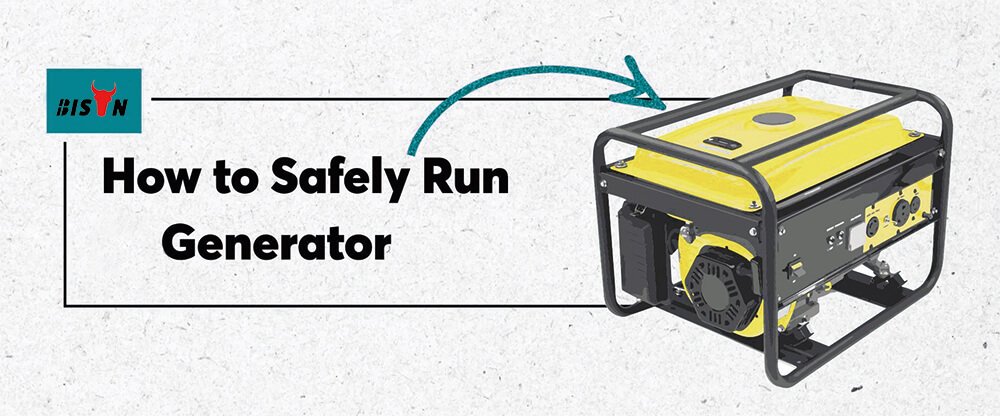
The hum of a reliable generator in a power outage isn't just a sound; it's peace of mind. But that peace is only possible when you approach 10kW generator installation and safety guidelines with the seriousness they deserve. Installing a generator, particularly one with significant power like 10kW, isn't a DIY weekend project without proper knowledge. It demands careful planning, precise execution, and an unwavering commitment to safety. Getting it wrong can lead to serious risks, from carbon monoxide poisoning and electrocution to fires and equipment damage. This guide will walk you through everything you need to know, transforming complex instructions into clear, actionable advice so your backup power system is both effective and, most importantly, safe.
At a Glance: Key Takeaways for Your 10kW Generator
- Plan Ahead: Precisely calculate your power needs, distinguishing between constant and start-up wattage for all essential appliances.
- Choose Wisely: Match your generator's capacity (constant and surge ratings) and voltage to your calculated requirements.
- Location is Everything: Always install your generator outdoors in a protective, well-ventilated enclosure, away from windows and doors.
- Professional Connection: Connect to your home's electrical system only via an automatic transfer switch, installed by a qualified electrician.
- Grounding is Non-Negotiable: Ensure the generator frame and all external conducting parts are properly grounded to prevent electrical hazards.
- Carbon Monoxide is a Silent Killer: Treat exhaust fumes with extreme caution. Never operate a generator indoors or in enclosed spaces.
- Regular Maintenance Pays Off: Stick to manufacturer-recommended schedules for inspections, oil changes, and system checks to ensure reliability and safety.
- Be Prepared for Emergencies: Keep a fire extinguisher handy and know how to safely shut down your unit.
The Foundation: Choosing the Right 10kW Generator for Your Needs
Before any wrenches turn, the journey to safe generator operation begins with a critical decision: selecting the right unit. While you're targeting a 10kW generator, understanding why that specific size fits your needs is paramount. This isn't just about output; it's about matching your lifestyle and safety profile to the equipment.
Decoding Your Power Requirements
Think of your home's electrical needs like a puzzle. Each appliance needs a certain amount of power to run (its 'constant wattage'), but motor-driven devices, like refrigerators, sump pumps, or air conditioners, also demand a significant surge of power just to get started (their 'start-up wattage'). This start-up wattage can be two to three times their running wattage.
To select wisely, grab a pen and paper:
- List Essentials: Identify every appliance you absolutely need during an outage (lights, refrigerator, well pump, furnace fan, medical equipment, etc.).
- Constant Wattage Sum: Look up the constant wattage for each item (usually on a label or in the manual) and add them all together. This gives you your total 'constant wattage' requirement.
- Identify the Largest Starter: Pinpoint the appliance with the highest 'start-up wattage' requirement among your essentials.
- Calculate Surge Needs: Add your total 'constant wattage' to the 'start-up wattage' of that single largest starting appliance. This combined figure represents your generator's essential 'surge rating' capability.
Your chosen 10kW generator's 'constant wattage' rating must meet or exceed your total constant wattage sum. More importantly, its 'surge rating' (often specified as 'peak' or 'maximum' wattage) must be higher than your calculated combined surge need. Don't forget to verify that the generator's voltage output (typically 120/240V for a 10kW home unit) matches the voltage requirements of your appliances. Overlooking these details can lead to an underpowered system that trips breakers or, worse, damages your appliances.
Setting the Stage: Pre-Installation Essentials
Once you’ve selected the ideal 10kW generator, the next steps lay the groundwork for a safe and successful installation. These aren't just formalities; they are critical checks that safeguard your investment and your family.
Unboxing and Initial Inspection
Upon delivery, carefully unpack your generator. This is your first line of defense against potential issues. Take a moment to inspect the unit thoroughly for any signs of shipping damage. Look for dents, cracks, loose components, or fluid leaks. If anything looks amiss, document it immediately with photos and contact your supplier before proceeding. It’s far easier to address damage now than after installation.
Next, confirm the unit's rated amperage and wattage capacity against your earlier calculations. Double-check that all included accessories, manuals, and parts are present. Familiarize yourself with the generator’s basic controls and safety labels as outlined in the manufacturer's manual – this is your ultimate reference guide for operation and troubleshooting.
The Critical Role of Your Transfer Switch
A 10kW generator is a powerful piece of equipment, and integrating it with your home's electrical system requires a non-negotiable component: an automatic transfer switch (ATS). This device is the brain of your backup power system, safely disconnecting your home from the utility grid before connecting it to the generator. This crucial separation prevents 'backfeeding' electricity into the utility lines, a deadly hazard for utility workers and the public alike.
Just like your generator, your transfer switch needs its own pre-installation care. Unpack it carefully and inspect it for any damage. Ensure its rated capacity matches or exceeds your generator's output. While the generator itself might be a homeowner installation with caution, connecting the transfer switch to your utility electrical system is absolutely a job for a licensed, qualified electrician. Attempting this yourself is extremely dangerous and often against local codes.
The Main Event: 10kW Generator Installation Procedures
With planning complete and preliminary checks done, you're ready for the physical installation. This phase is where strict adherence to manufacturer guidelines and safety protocols becomes paramount.
Choosing the Right Location: Ventilation, Protection, and Proximity
Selecting the proper location for your generator is not a suggestion; it's a life-saving requirement.
- Outdoors, Always: Your generator must be placed outdoors. Generator exhaust contains carbon monoxide (CO), a colorless, odorless, and highly toxic gas that can kill quickly and silently. Never, under any circumstances, operate a generator in a garage, basement, shed, or any other enclosed or partially enclosed space, even with doors and windows open.
- Ventilation is Key: The chosen outdoor spot needs ample, unobstructed air for both cooling and ventilation. Keep at least five feet of clearance around all sides of the generator, or as specified by the manufacturer. Avoid placing it near windows, doors, vents, or under eaves where exhaust fumes could drift back into your home or a neighbor's. Prevailing wind direction should also be considered to carry exhaust away.
- Protective Enclosure: While outdoors, your generator needs protection from the elements. A purpose-built protective enclosure, designed for generators, can shield it from rain, snow, and direct sunlight while ensuring proper airflow. This enclosure should never compromise ventilation.
- Proximity Matters: Install the generator as close as practically possible to both the automatic transfer switch and its fuel supply. Shorter electrical and fuel lines reduce voltage drop and potential hazards.
Secure Grounding: Your Electrical Shield
Proper grounding (or earthing) of your generator's frame and any external conducting parts is an essential safety measure. This critical step provides a safe path for electrical current in the event of a fault, protecting you from electrocution.
Your generator will come with a dedicated grounding lug or terminal. You'll typically connect this to a grounding rod driven deep into the earth using heavy-gauge copper wire, following local electrical codes and manufacturer instructions. If you're unsure, consult with an electrician. Skipping or improperly performing this step exposes you to severe electrical shock hazards.
Fueling and Battery Power
A 10kW generator can be fueled by gasoline, propane, or natural gas. The fuel type will dictate specific connection procedures.
- Gasoline: Ensure a stable, level surface for the generator and fill the tank outdoors, away from ignition sources. Never refuel a hot or running engine.
- Propane: Connect the propane tank securely, checking for leaks with a soapy water solution. Always follow propane cylinder safety guidelines.
- Natural Gas: This typically requires a permanent connection by a qualified professional, adhering strictly to gas line installation codes.
For units with electric start, ensure all batteries are fully charged before insertion and initial startup. Check battery terminals for corrosion and secure connections.
Connecting to Your Home's Power Grid: The Transfer Switch Connection
As mentioned, this is where professional expertise is non-negotiable. Your 10kW generator must connect to your home's utility electrical system only via an automatic transfer switch (ATS).
The ATS will be wired into your home's main electrical panel and the generator. When utility power fails, the ATS senses the outage, signals the generator to start, and once stable power is detected from the generator, it safely disconnects your home from the utility grid and connects it to the generator. When utility power returns, the process reverses. This automatic, fail-safe mechanism is crucial for preventing backfeeding and ensuring seamless power transition. A qualified electrician will ensure this connection is up to code and perfectly safe. For more in-depth guidance on setup, remember to consult Your complete 10 kW generator resource.
Paramount Importance: Generator Safety Precautions
Installation is just the beginning. Operating a 10kW generator demands constant vigilance and strict adherence to safety protocols. Overlooking any of these can have devastating consequences.
The Silent Killer: Carbon Monoxide (CO) Hazards
Generator exhaust is laden with carbon monoxide (CO), a deadly gas you cannot see, smell, or taste. Even small amounts can be fatal.
- Outdoor Operation ONLY: This cannot be stressed enough. Never operate a generator indoors, in a garage, shed, crawl space, or any partially enclosed area. Position it far from windows, doors, and vents to prevent exhaust from entering your home.
- CO Detectors: Install battery-operated carbon monoxide detectors with alarms in your home, especially near sleeping areas. Test them regularly. These devices are your critical warning system.
- Symptoms of CO Poisoning: Know the signs: headache, nausea, dizziness, weakness, confusion, chest pain. If you experience these symptoms, get to fresh air immediately and seek medical attention.
Electrical Hazards: Preventing Shocks and Surges
Electricity and water don't mix, and high-voltage equipment like a 10kW generator requires extreme caution.
- Disconnect Power During Servicing: Before performing any installation, maintenance, or repair, always turn off all power voltage supplies at the source. This means disconnecting the generator's battery, shutting off its circuit breakers, and ensuring the transfer switch has isolated the system.
- Insulated Connections: All electrical connections—wires, cables, terminals—must be properly insulated and covered to prevent accidental contact and short circuits. Use appropriate electrical tape, wire nuts, and junction boxes.
- Proper Grounding: Reiterate this point: ensure the generator frame and external conducting parts have correct grounding/earthing wiring. This is your primary defense against shock.
- Right Wires for the Job: Use only wiring, cables, and cord sets of the recommended capacity for your generator's output. Undersized wires can overheat, melt, and cause fires. Inspect all cords for damage before each use. Never run cords under rugs or through doorways where they can be pinched or damaged.
- Dry Hands, Dry Ground: Never operate a generator with wet hands or while standing in water. Keep the generator and all electrical connections dry.
Fire and Explosion Hazards: Fueling Safety
Generators deal with combustible fuels, making fire and explosion risks a significant concern.
- No Smoking Zone: Absolutely no smoking near the generator or fuel storage. Sparks from smoking materials can ignite fuel vapors.
- Clear the Area: Keep the area around the generator clean, free of clutter, dry leaves, debris, and especially combustible materials like gasoline cans, oily rags, or cleaning solvents. A clear zone reduces fire spread risk.
- Fuel Storage: Store fuel in approved containers, away from heat sources and out of reach of children. Never store fuel indoors.
- Spill Preparedness: Fuel or oil spills pose an immediate fire and explosion risk. Clean up spills immediately and completely using absorbent materials.
- Fire Extinguisher Ready: Keep a readily accessible, ABC-rated fire extinguisher near the generator's location. Ensure it's charged and you know how to use it.
General Operational Safety
Even beyond the major hazards, mindful operation is key.
- Follow Manufacturer Instructions: Always, always, always consult your generator's owner's manual for specific installation, operation, repair, and maintenance instructions. These are tailored to your specific model.
- Regular Inspections: Before each use and during regular maintenance, visually inspect the equipment. Look for loose parts, frayed wires, fuel leaks, or unusual wear. Promptly replace any defective or damaged parts.
- No Tampering During Operation: Do not open, dismantle, or attempt to repair the unit while it is operating. Shut it down completely and disconnect power before any work.
- Keep Children and Pets Away: Establish a safety perimeter around the generator to keep children and pets at a safe distance during operation.
- Secure the Unit: Ensure the generator is placed on a firm, level surface that prevents tipping or movement during operation.
Sustaining Performance: Regular Maintenance Schedules
A generator is an investment that provides critical backup power. Like any complex machinery, it requires consistent care to remain reliable and safe. Sticking to a proactive maintenance schedule is not just about extending its lifespan; it's about ensuring it will perform when you need it most.
The Power of Routine Checks
Your generator's manufacturer manual will outline specific maintenance intervals – annual, semi-annual, or quarterly. Following these strictly is non-negotiable. These schedules typically cover:
- Cooling System Inspection: Check coolant levels, inspect hoses for leaks or cracks, and ensure radiator fins are free of debris to prevent overheating.
- Air Intake System & Air Cleaner: A clean air filter is vital for engine performance and fuel efficiency. Inspect and clean or replace it as recommended. Check air intake ducts for obstructions.
- Fuel System Inspection: Look for fuel leaks, inspect fuel lines for cracks, and check the fuel filter. For gasoline generators, consider fuel stabilizers if storing for extended periods. Natural gas and propane systems require professional checks for leaks and connections.
- Exhaust System: Inspect the muffler and exhaust pipes for damage, corrosion, or leaks. Ensure the exhaust path remains unobstructed.
- Electrical System: Check battery terminals for corrosion and ensure connections are tight. Inspect all wiring for fraying or damage. Verify proper functioning of charging systems.
- Oil and Filters: The engine oil and oil filter are perhaps the most critical components for engine health. Change the oil and filter annually, or more frequently based on run time, using the manufacturer-specified oil type and viscosity.
Beyond the Basics: Advanced Checks
For larger 10kW units, maintenance extends to the control systems and power output:
- Controls Inspection: Regularly inspect voltage regulators, relays, and monitors. Ensure all control panel lights and indicators are functioning correctly.
- Transfer Switch Adjustments: If your automatic transfer switch has adjustable time delays (e.g., for engine warm-up before transferring load, or cool-down before shutting off), ensure these are set correctly. Reset exerciser clocks as needed to maintain programmed weekly or bi-weekly exercise cycles.
- Performance Monitoring: During regular exercise cycles, monitor performance parameters such as A.C. output voltage, frequency (Hz), and amperage under a load. This helps identify potential issues before they become critical failures.
Consider keeping a maintenance log to track all inspections, oil changes, and repairs. This not only helps you stay on schedule but also provides valuable documentation for warranty claims or future servicing. If you're not comfortable performing these tasks, schedule professional generator maintenance.
Common Questions & Pitfalls to Avoid
Even with the best intentions, generator installation and operation can present challenges. Here are some common questions and mistakes to sidestep.
"Can I just run an extension cord from the generator into my house?"
Absolutely not for your home's main appliances. While you might use heavy-duty extension cords for individual, small appliances directly from the generator, you cannot use them to power your home's entire electrical system or directly connect to your circuit breaker panel. This is called "backfeeding" and it is incredibly dangerous, risking electrocution for utility workers and potentially damaging your home's electrical system and appliances. A properly installed automatic transfer switch is the only safe and legal way to connect a generator to your home's wiring.
"My generator is only running for short bursts, then shutting off. What's wrong?"
Several issues could cause this. Common culprits include:
- Low Fuel: The most obvious, but often overlooked.
- Overload: You might be exceeding the generator's capacity, causing it to trip a breaker or shut down. Review your wattage calculations.
- Low Oil Shutoff: Many generators have a sensor that automatically shuts off the engine if oil levels are too low to prevent damage. Check your oil.
- Clogged Air Filter or Fuel Filter: Restricted airflow or fuel delivery can lead to sputtering and shutdown.
- Carburetor Issues: Especially for gasoline generators, stale fuel can clog the carburetor.
Always consult your owner's manual for troubleshooting steps before attempting repairs.
"I store my generator in the garage, but the door is usually open. Is that okay?"
No, it is not. "Open" isn't good enough when it comes to carbon monoxide. Exhaust fumes can easily accumulate in a garage, even with the door open, and seep into your home. Generators must be operated in completely open, outdoor areas, well away from any buildings. Treat a garage, even with an open door, as an enclosed space for generator operation.
"How often should I 'exercise' my generator?"
Most manufacturers recommend exercising your generator for 15-30 minutes once a week or bi-weekly, preferably under a light load. This keeps components lubricated, charges the battery, flushes old fuel, and helps ensure it's ready when an actual outage occurs. Don't skip these exercise runs.
The Cost of Cutting Corners
The biggest pitfall is attempting to save money by bypassing professional installation for the automatic transfer switch or by neglecting safety guidelines. The potential costs—in terms of human life, property damage, and legal liabilities—far outweigh any perceived savings. Always prioritize safety and professional expertise for critical installations.
Ready for Reliable Backup Power
Installing and maintaining a 10kW generator is a significant undertaking, but it's one that empowers you with essential backup power when the grid goes dark. By meticulously following these guidelines, you're not just setting up a piece of equipment; you're investing in the safety and security of your home and loved ones.
Remember, the cornerstone of safe generator operation lies in diligent planning, precise installation (especially for the transfer switch), unwavering adherence to safety protocols, and a commitment to regular, proactive maintenance. Treat your generator with the respect its power commands, and it will serve you reliably for years to come.