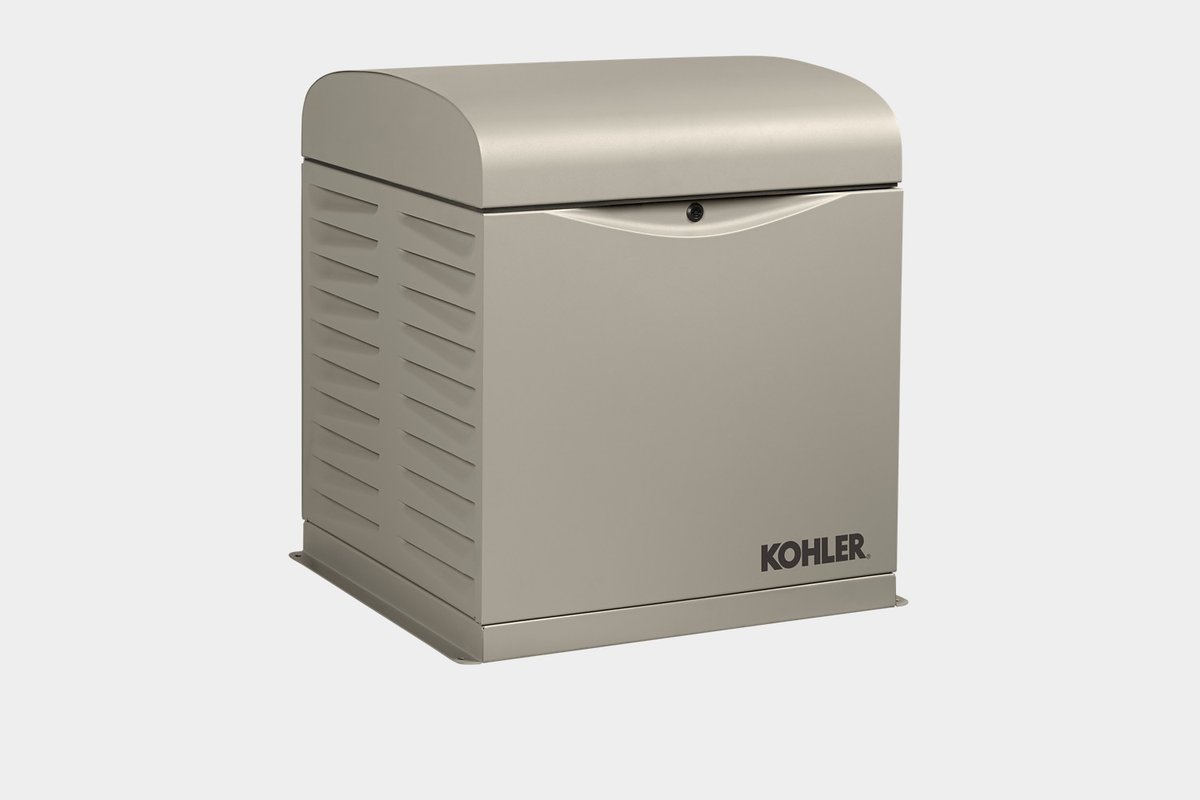
The sudden silence of a power outage can be jarring, plunging your home into darkness and disrupting everything from meal prep to staying connected. For many homeowners, a reliable backup power solution isn't a luxury; it's a necessity. This is where a 10 kW generator steps in, offering a robust and sensible answer to keeping your essential systems running when the grid goes dark.
A 10 kW generator strikes a fantastic balance, providing ample power for critical appliances without the hefty footprint or cost of a larger whole-home system. It’s an investment in peace of mind, ensuring your family stays comfortable and safe, your food remains cold, and your communication lines stay open during unpredictable events.
Understanding the Power of a 10 kW Generator
When we talk about a 10 kW generator, we're referring to its power output – 10 kilowatts, or 10,000 watts. This capacity means it can comfortably power a significant portion of a typical smaller home, or the most crucial systems in a medium-sized one. It's often the sweet spot for those who need more than just a few lights, but don't require every single appliance to run simultaneously.
Before diving into models and features, it’s vital to assess your specific power needs. While a 10 kW generator is potent, it's generally not designed to run an entire large house with high power demands, such as multiple large HVAC units and electric ovens at once. A simple wattage calculation, summing the requirements of devices you deem essential during an outage, will clarify if this size is right for you. If your total power needs exceed 10 kW, you might need to prioritize what you run or consider a larger unit.
What Can a 10 kW Generator Power in Your Home?
Imagine an outage: what absolutely needs to stay on? A 10 kW generator is capable of handling a crucial array of modern household demands. It offers the ability to keep your daily life remarkably functional.
Here’s a snapshot of common appliances and systems a 10 kW generator can typically support:
- Kitchen Essentials: Refrigerator, freezer, microwave, coffee maker.
- Lighting: Indoor and outdoor lights to keep your home safe and functional.
- Water Systems: Sump pump (critical for flood prevention), well pump.
- Comfort: Some heating/cooling systems (check specific wattage), ceiling fans.
- Connectivity: Televisions, computers, internet routers, phone chargers.
- Safety & Convenience: Garage door opener, security systems.
The key is smart management and avoiding simultaneous operation of high-demand items that could exceed its running wattage. For instance, you might run the microwave, but not while simultaneously operating a high-power electric dryer.
Exploring Your 10 kW Generator Options
The market for 10 kW generators is diverse, offering various fuel types and features tailored to different preferences and needs. From models prioritizing efficiency to those built for rugged durability, there's likely a perfect fit for your home. Understanding these variations is the first step toward making an informed decision.
Consider the benefits of dual-fuel or tri-fuel options for extended runtimes and fuel flexibility, or the straightforward reliability of a gasoline-powered unit. Each type has its own advantages in terms of cost, storage, and environmental impact. For a deeper dive into making this critical choice and ensuring your generator perfectly matches your household's energy demands, you'll want to explore everything from capacity to fuel preferences when Choosing a 10kW generator.
Installation and Safety: Non-Negotiable Steps
Acquiring a powerful generator like a 10 kW unit is just the beginning. Proper installation and adherence to safety protocols are paramount to ensure its reliable operation and, more importantly, the safety of your household. This isn't a DIY project for the faint of heart; professional installation is always recommended.
Key safety considerations include:
- Carbon Monoxide (CO) Safety: Never run a generator indoors or in an attached garage. CO is an odorless, colorless, deadly gas.
- Transfer Switch: An ATS (Automatic Transfer Switch) or manual transfer switch is essential to safely connect your generator to your home’s electrical system and prevent backfeeding electricity into the grid, which can endanger utility workers.
- Proper Placement: Generators need to be placed on a level surface, away from windows, doors, and vents, to prevent exhaust fumes from entering your home.
To navigate the intricacies of setting up your new system securely and efficiently, make sure to delve into detailed guidelines that will help you Install your 10kW generator safely. Essential.
Maintaining Your 10 kW Generator for Lasting Performance
Like any powerful piece of machinery, a 10 kW generator requires regular maintenance to remain in peak condition. Neglecting routine checks can lead to unexpected failures precisely when you need it most. Simple steps can significantly extend its lifespan and ensure it's ready for action.
Regular maintenance typically includes:
- Oil Changes: Following the manufacturer's recommended schedule.
- Spark Plug Inspection/Replacement: Crucial for efficient ignition.
- Air Filter Cleaning/Replacement: Ensures proper engine breathing.
- Fuel Stabilization: Especially important for gasoline if the generator sits idle for long periods.
- Battery Checks: For electric start models, ensuring the battery is charged and terminals are clean.
- Test Runs: Periodically starting and running the generator under a load keeps components lubricated and verifies functionality.
Don't let a minor oversight compromise your backup power. For a comprehensive guide to keeping your unit running smoothly and tackling common issues, you'll want to consult our expert advice on 10kW Generator Maintenance & Troubleshooting.
The Financial Side: Costs and Return on Investment
Investing in a 10 kW generator involves more than just the initial purchase price. There are installation costs, fuel expenses, and ongoing maintenance to consider. However, the return on investment (ROI) often goes beyond monetary value, encompassing the invaluable peace of mind and protection it offers.
Factors influencing the overall cost include:
- Generator Type: Dual-fuel or tri-fuel models might have a higher upfront cost but offer more versatile fuel options.
- Features: Remote start, ECO mode, low-THD power, and ATS-readiness can add to the price tag.
- Installation: Professional installation, including a transfer switch, is a significant part of the overall investment.
- Fuel Costs: Gasoline, propane, or natural gas have varying costs and storage requirements.
Considering the financial implications and how a generator safeguards your home and family, it's wise to meticulously Evaluate 10kW generator costs and ROI to ensure you're making a smart, long-term decision.
Top 10 kW Generator Models on the Market
With a solid understanding of your needs, safety, and maintenance, it’s time to look at some of the best 10 kW generator options available. These models represent a blend of power, reliability, and features that make them stand out.
Here are a few notable contenders:
- Gidrox GNV10000T (Tri-Fuel Efficiency): This powerful tri-fuel unit delivers 10,000 starting watts and 8,000 running watts. Its 499cc engine, 8.7-gallon tank (21-hour runtime at 25% load), quiet 65 dB operation with ECO Mode, and ATS-readiness make it a top choice, despite its bulky design. Safety features like a CO Sensor and remote start add significant value.
- DuroMax XP10000EH (Heavy-Duty Dual Fuel): Offering 10,000 starting watts and 8,000 running watts, the DuroMax XP10000EH runs on gasoline or propane. Its robust DuroMax engine, MX2 Power Boost technology, and heavy-duty steel frame ensure reliability. It includes a 50A transfer switch-ready port and a wheel kit for improved portability, receiving high ratings for performance.
- A-iPower 10000W (Heavy-Duty Gas Power): This gasoline-only generator provides 10,000 starting watts and 8,000 running watts from its 420cc OHV engine. Key features include a 9-hour runtime, easy electric start, digital monitoring, idle control for efficiency, and enhanced mobility with flat-free wheels and a folding handle.
- Green-Power America GN10000DEW (Dual-Fuel Value): A portable dual-fuel option, it delivers 10,000 starting watts and 7,500 running watts on gasoline (6,750W on propane). It boasts electric start, automatic voltage regulation, low oil shutoff, and a 50A RV-ready outlet. Despite its 191-pound weight, 10-inch wheels and a foldable handle aid mobility.
- Green-Power America GPG10000EW (Gas-Powered Versatility): This gasoline-powered model generates 10,000 starting watts and 7,500 running watts from its 420cc 15HP LCT engine. It features a 6.6-gallon tank (9-hour runtime at half load), electric start with recoil backup, multiple weather-covered outlets, and a rugged frame with wheels and folding handles for portability.
Choosing the right generator means weighing these features against your specific needs, budget, and desired fuel type. To help you navigate the myriad options and make an informed purchase, be sure to consult our deep dive into the Best 10kW generator brands Top 10kW.
Preparing for a Brighter, More Secure Future
Investing in a 10 kW generator is a proactive step toward safeguarding your home and lifestyle against the uncertainties of power outages. It’s about more than just electricity; it’s about maintaining comfort, safety, and connectivity when the unexpected happens. By understanding your power needs, exploring your options, ensuring safe installation, committing to regular maintenance, and evaluating the long-term value, you're not just buying a machine – you're securing peace of mind. Prepare your home today, and face tomorrow’s challenges with confidence.